
2026 will be a defining year for customer engagement. Whilst the development of cloud migration, AI adoption, and hybrid work laid the foundations for digital transformation over the last decade, the next phase is about turning fragmented systems into fluid, intelligent, and adaptive ecosystems. The following predictions highlight the three major shifts shaping this new landscape.
Cloud-first becomes the foundation for modern CX
With the rise of cloud-first strategies, enterprises will reshape how they approach communication infrastructure in 2026. As enterprises move away from legacy on-premises systems, the emphasis will be on shifting toward scalable, agile, and globally deployable cloud environments that support hybrid and remote workforces. This evolution enables faster deployment, simplified management, and seamless integration across collaboration ecosystems, allowing organisations to future-proof operations while delivering a more connected customer experience.
The shift toward cloud-first strategies is already well underway. SQ Magazinenotes that around nine in ten enterprises are already using cloud services in 2025, setting the stage for 2026 to become the year cloud-first moves from a bold decision to an established norm. After all, many organisations that still run legacy communication systems are hitting brick walls: rigid workflows, slow upgrades, poor interoperability and escalating maintenance costs. These constraints are particularly stark as hybrid and remote working patterns continue to solidify as standard operating models.
To counter these issues, Cloud environments offer enterprises the agility and global availability that today’s distributed workforces demand. With native integration into collaboration tools and communication platforms, cloud-first approaches reduce complexity, not just technically, but operationally. Businesses can deploy faster, adapt quicker, and consolidate overlapping technologies. This shift enables them to future-proof operations and deliver experiences that are both consistent and flexible across channels.
2026 will see a stronger push to collapse silos between unified communications (UC), contact centre (CC), and customer relationship management (CRM), as the industry recognises that integration is the key to unlock greater productivity and customer satisfaction. The organisations that succeed will prioritise ecosystems over point solutions, ensuring that every interaction, whether internal or customer-facing, flows through a unified, cloud-native backbone.
Hyper-Personalisation Will Redefine Customer Experience
Hyper-personalisation represents the next evolution in customer experience, moving beyond static data and demographic profiling toward real-time, contextual engagement. By combining behavioural analytics, automation and AI, enterprises can anticipate intent and deliver interactions that feel more one-to-one.
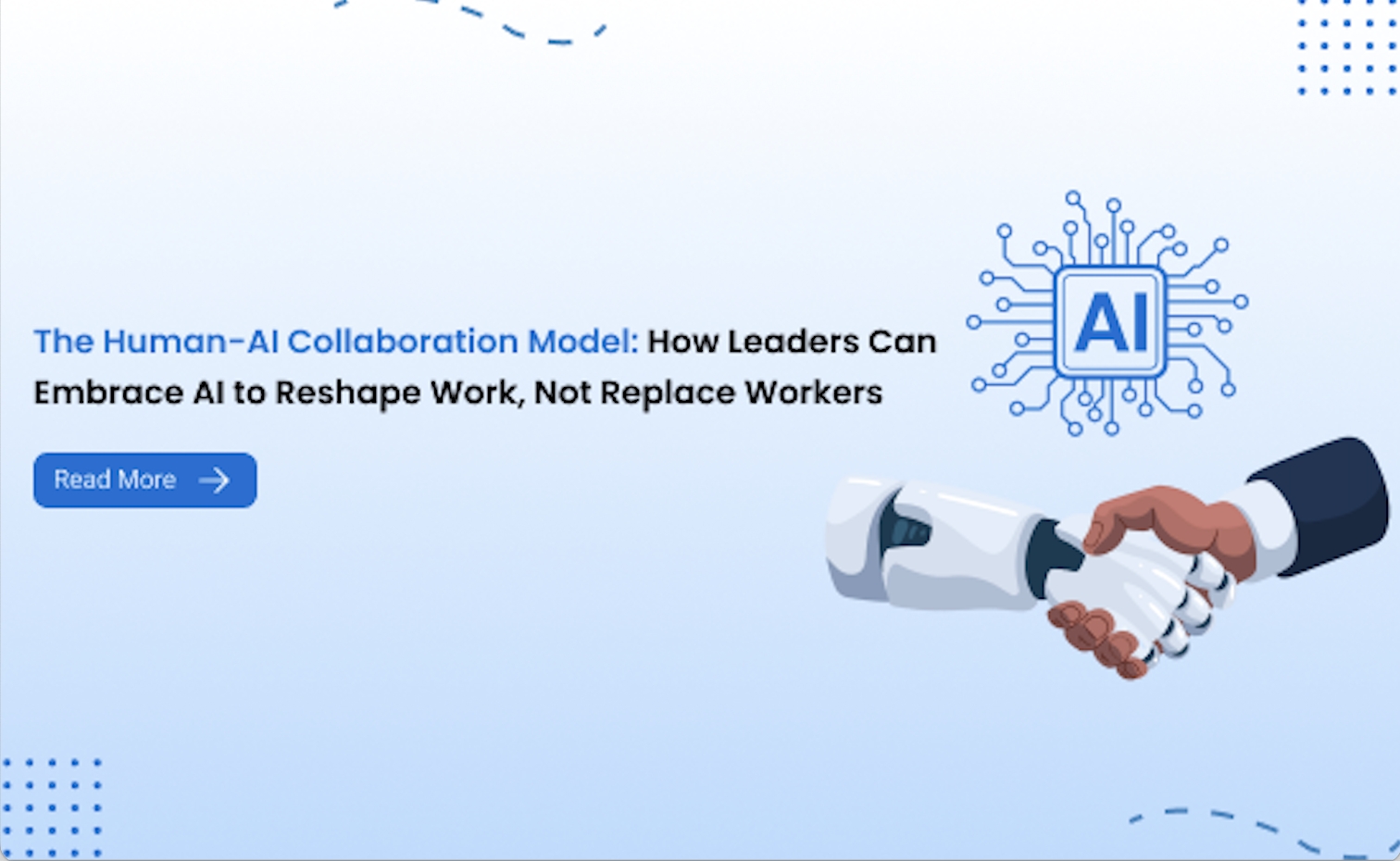
As AI tools mature and become more integrated into work processes, expectations rise on both sides of the interaction as customers expect instant, contextual support, while employees expect systems that help simplify information and decision-making.
It is apparent that customers are no longer judging service solely on responsiveness; they’re judging it on relevance. Whether through proactive notifications, tailored support journeys, or predictive routing, organisations will shift from “How do we respond faster?” to “How do we prevent customer effort altogether?”
The contact centre will see the biggest gains from hyper-personalisation. Predictive insights will enable agents to focus on complex, high-value interactions while routine enquiries are handled through AI-enabled automation. This creates service experiences that feel personal, anticipatory and empathetic.
As we move into 2026, this evolution will gain momentum, as more and more enterprises will continue to transform their contact centre strategies by replacing reactive service models with proactive, predictive experiences that strengthen customer loyalty and improve operational efficiency.
AI-Powered Infrastructure Will Transform How Enterprises Operate
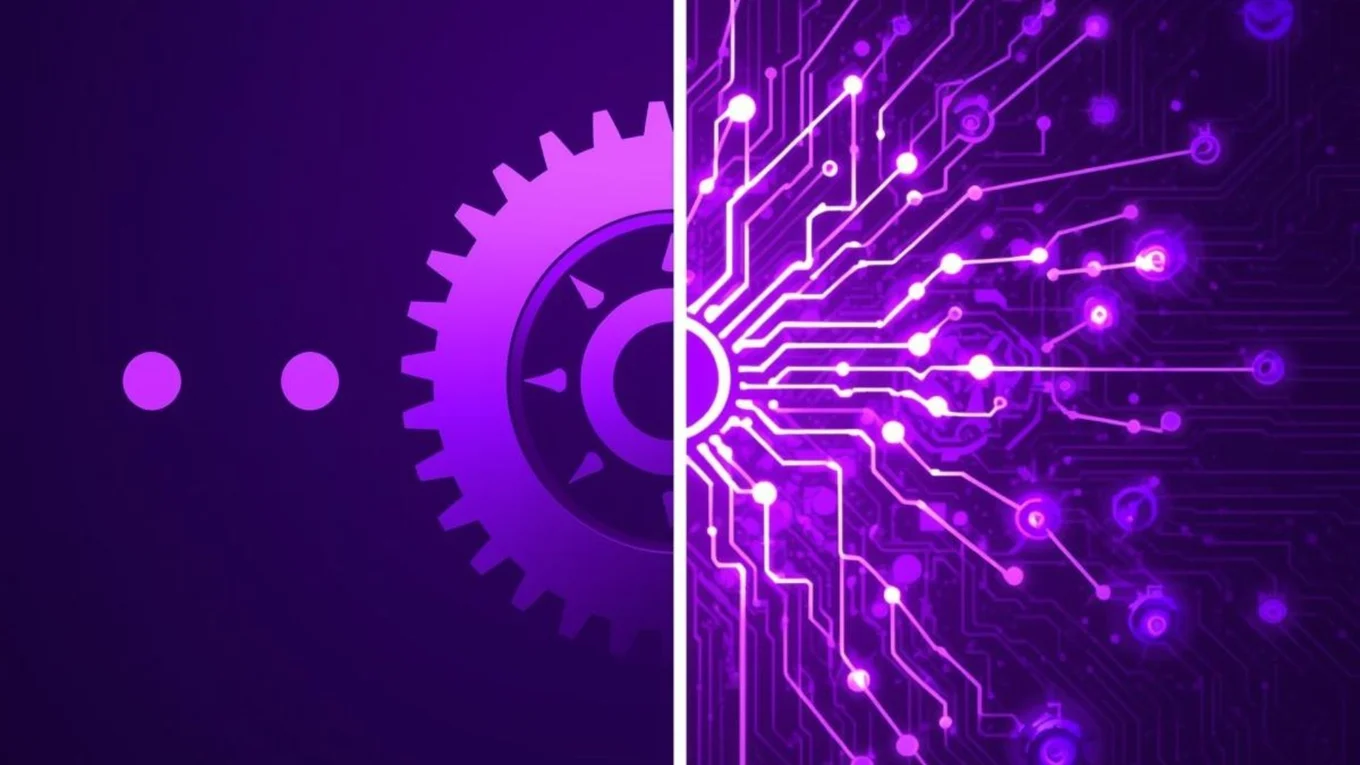
Cloud platforms are entering a new era of adaptive, AI-powered infrastructure – systems capable of learning, predicting and optimising themselves in real time. In 2026 and beyond, these platforms will move beyond automation to true intelligence, dynamically allocating resources, anticipating demand, and routing interactions before customers even make contact. Providers that can merge scalability with predictive insight will redefine customer engagement, transforming the contact centre into a proactive, self-evolving ecosystem that continually enhances experience and efficiency.
This shift is particularly visible in the broader CX stack. Rather than routing enquiries based solely on queues or skills, AI will assess customer history, sentiment, urgency, and intent to determine the most effective route. It will also recognise patterns across the entire customer journey, flagging emerging issues, identifying pain points, and pre-empting spikes in demand.
These adaptive AI systems will also drive efficiency behind the scenes. Intelligent staffing forecasts, performance insights, and dynamic load balancing will reduce operational friction and eliminate the manual overhead associated with traditional CCaaS environments. The result: contact centres that behave more like autonomous systems than reactive service departments.
The development of AI-powered infrastructure aligns with broader trends across regulated industries, where AI-enabled oversight, intelligent monitoring and compliance-by-design are becoming essential operating norms, not optional enhancements. Enterprises that master this convergence of cloud-native scale and predictive intelligence will set the pace in customer experiences.
Conclusion
The predictions for 2026 point toward a customer experience future defined by systems: cloud, data and AI that work in harmony to support people. Enterprises are moving away from reactive service models and toward infrastructures that anticipate demand, elevate experience, and give employees the insight and support they need to deliver meaningful interactions.
Organisations that embrace these changes will lead the charge toward a fully connected, intelligent CX where automation, insight and human expertise seamlessly converge.