
The US faces a literacy crisis that is closely tied to ongoing educational challenges.
Many adults are reading below the sixth-grade level, and most fourth graders lack reading proficiency. This issue is amplified by the shortage of qualified teachers, particularly in high-poverty areas, where schools often hire uncertified or underprepared staff. Additionally, federal education funding is unstable and frequently misallocated, leaving schools without the resources to address these problems. To move forward, we need a new approach that uses technology to support and empower educators, enabling them to make a meaningful impact for every student.
While the challenges in American education are significant, a new and powerful tool can be used to address them: artificial intelligence. For years, AI has been quietly revolutionizing the healthcare, finance, and manufacturing industries by providing real-time data analysis, automating routing tasks, and delivering highly personalized services. This transformative tool is now being used for education. AI-driven educational platforms are creating personalized learning paths, providing students with immediate feedback, and freeing educators from tedious administrative work. By focusing on proven, real-world applications, AI is no longer a futuristic concept, but a practical tool for our educators.
Effective reading instruction, especially for students who are in need, requires a highly personalized approach. Each student is unique with their own strengths and weaknesses across a wide range of foundational skills, from phonemic awareness to phonics, fluency and comprehension. Therefore, the one-size-fits-all approach to literacy instruction simply doesn’t work. However, in a typical classroom setting, teachers are stretched thin, oftentimes managing the needs of 20 to 30 students at a time. To identify and address the specific needs and skills gaps of students in real time is a challenging task, even for the most experienced educators.
Even with the best intentions and a strong curriculum, it’s easy for students to slip through the cracks. A student may have a solid grasp of some letter sounds but struggle with others, or they may understand decoding but read with a slow, laborious pace, that then interferes with their ability to comprehend. Without a precise and immediate understanding of these individual needs, instruction can become inefficient. Students may end up spending time on skills they have already mastered, but miss critical foundational steps, which would compound their challenges over time. This is an example of how AI can provide a powerful solution, as a tutor’sco-pilot offers a new path to a data-driven, individualized approach to reading instruction.
The literacy crisis is one of the most pressing challenges in education today. Despite decades of effort and countless innovations, a significant percentage of students still grapple with reading proficiency. A major hurdle is the need for personalized instruction at scale. The ideal solution—to give every student who needs it the 1:1 instruction that targets their gaps and ensures they learn to read on time. Tutoring alone cannot quickly address the disparities, as kids are already behind and there is urgency to close the achievement gaps. Therefore, what if technology can be used, specifically artificial intelligence, to augment and amplify the skills of human educators? This is the core principle behind the growing movement to integrate AI as a co-pilot for human tutors.
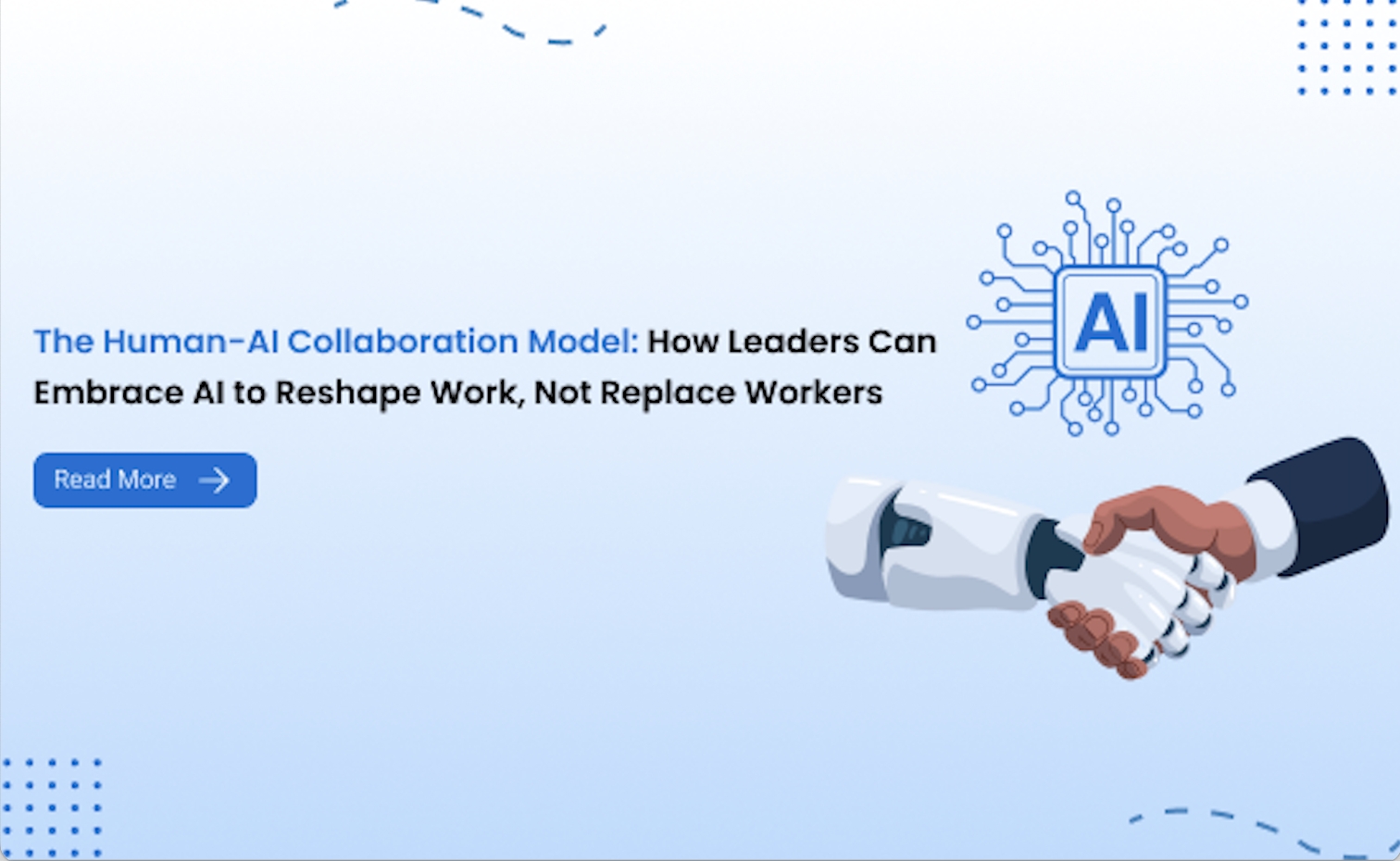
This model is not about replacing the human with a machine, but to establish a symbiotic relationship where AI handles the data-intensive, analytical tasks, which would allow the human tutor to focus on what they do best: building relationships, providing emotional support, and delivering nuanced, responsive instruction. The combination of human empathy and AI precision has the potential to quickly unlock truly personalized learning for all students and transform the way reading is taught into a fast results-driven process that can put a significant dent in the literacy crisis.
Imagine a tutor sitting with a student who is reading aloud. While the student reads, an AI-powered tool listens, analyzes, and provides instant, non-intrusive feedback to the tutor. This technology, often powered by automatic speech recognition (ASR), can instantly detect mispronunciations, skipped words, and fluency issues. It can map these observations back to specific foundational skills, creating a real-time, precise diagnostic of the student’s needs. This is a gamechanger for the human tutor.
Instead of relying on real-time observation, which can be prone to error and cognitive overload, the tutor receives a clear, data-driven skills map. The AI can highlight a student’s specific struggle with a certain vowel sound or a particular phonics rule, allowing the tutor to target their instruction. This level of detail enables the tutor to deliver the exact support a student needs at that moment. The context of tutoring already enables more precise instruction, but now that instruction can be targeted in service of accelerating the rate at which a student can close their gaps because the AI provides a clear, actionable path forward, making every minute of instructional time more impactful.
The real magic of this approach lies in the partnership. AI is a powerful tool for diagnosis and data analysis but lacks the human element that is essential for the youngest students learning to read for the first time. For those who need tutoring, a human tutor can read a student’s body language, recognize when they are feeling frustrated, and have the skills to engage and encourage them. This connection builds a trusting relationship, allowing the student to feel safe and motivated to learn. Tutors can adapt their instructional style in a way that an algorithm cannot, with humor, storytelling, or different analogies to explain a concept.
Human tutors and AI can work together in a seamless loop; with the AI providing the data, and the human providing the relationship and responsive teaching needed to engage, build trust, and motivate the student. This partnership allows tutors to be more present and more effective, knowing that the “heavy lifting” of data analysis is being handled by technology. The tutor can focus on celebrating small victories, boosting confidence, and making learning an engaging and positive experience. This model preserves the critical human connection while leveraging technology to make instruction more precise and efficient. It allows tutors to focus on the art of teaching, while the AI handles the science of data analysis.
This integration of AI, as a co-pilot for human tutors, represents a significant step toward sustainably solving the nation’s literacy crisis at scale and quickly. This approach moves beyond the limitations of purely human or purely technological solutions and recognizes that true educational progress requires a sophisticated blend of both. As AI becomes more widely adopted, we can expect to see a transformation in how this technology is harnessed, while still recognizing that the human component will always be a crucial component, especially for early literacy instruction.
This approach has the potential to provide highly targeted, quality, and personalized literacy support to a greater number of students and quickly enable kids to get their needs met to reach learning benchmarks and close the literacy gaps. By empowering human tutors with AI, we can personalize learning in a way that was previously unimaginable and quickly see tangible results. This is a vision where every child gets the exact instruction they need, every day. This is an approach that combines the precision of a machine with the compassion of a human to create a powerful new paradigm for literacy education.