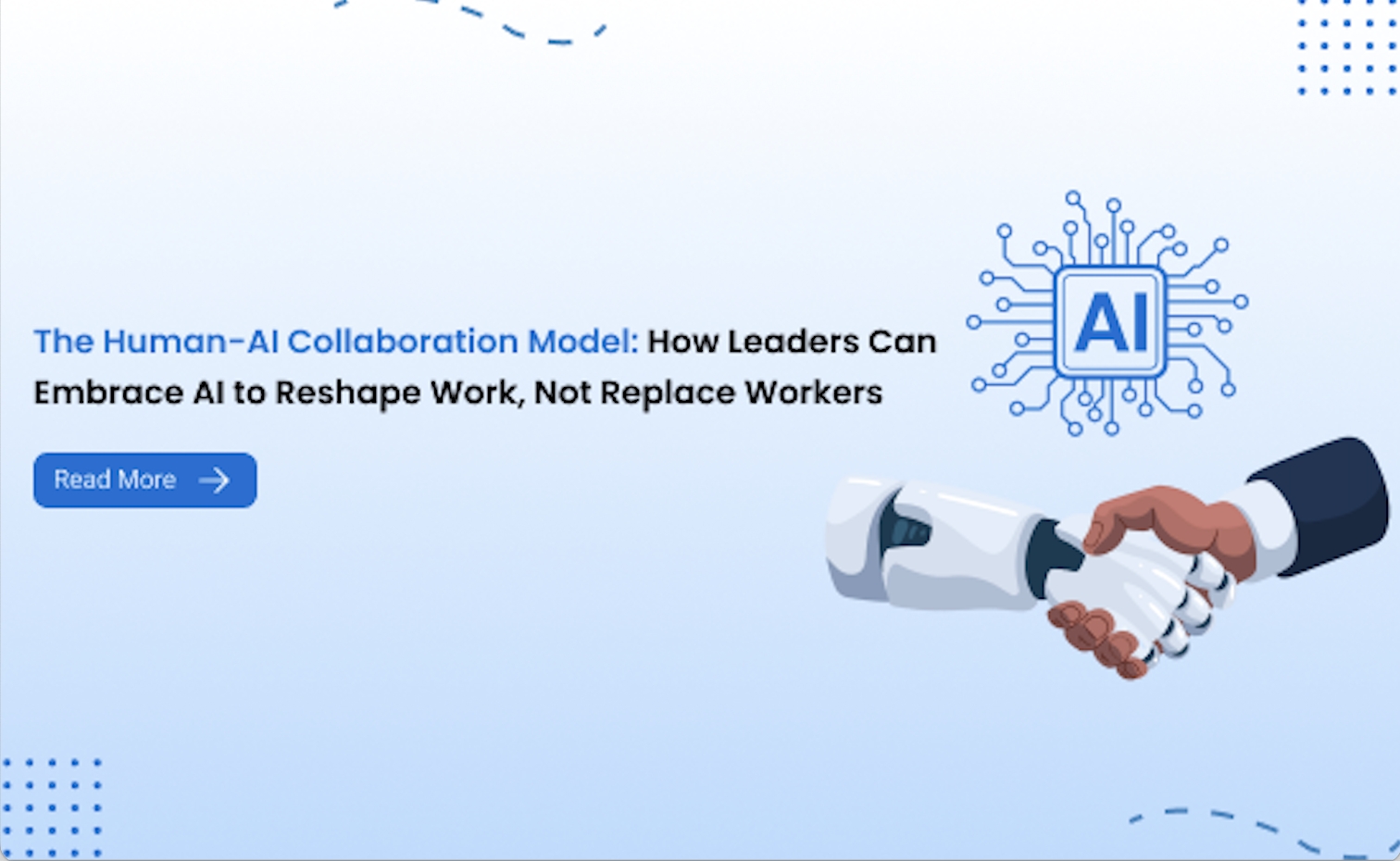


Artificial intelligence is quickly becoming a trusted advisor for leaders. Whether it’s summarizing a 200-page report into digestible themes or brainstorming potential approaches to a workplace challenge, AI can accelerate the way leaders learn, reflect, and act. It’s a powerful partner, but it’s not a replacement for human discernment or research-backed tools.
When it comes to leadership development, AI’s biggest strength is speed. It can surface patterns from data in seconds, propose different lenses to view a problem, and help leaders articulate questions they may not have thought to ask. But its biggest weakness? Confidence. AI often delivers advice with the polish and certainty of an expert, even when that advice is misleading or flat-out wrong.
And when leaders mistake that confidence for credibility, the consequences can be costly.
The Seduction of Confidently Wrong Answers
We recently saw this play out in a client workshop. The group of leaders was using personality assessments as tools to improve communication and collaboration.
Instruments like Myers-Briggs, DISC, or Insights can highlight individual preferences — for example, whether someone tends to be more detail-oriented or big-picture, more direct or more reflective. These insights can help teams understand differences in working styles and adapt how they communicate with each other.
One participant had asked an AI tool, “Which personality type makes the best leader?” The AI generated a detailed, comprehensive answer with charts and examples.
It sounded authoritative. It was also completely wrong.
There is no research to support a link between personality style and leadership effectiveness. Personality profiles describe preferences, not skills, growth, or capacity to lead. They’re in essence like being left- or right-handed — a characteristic, not a measure of capability. And yet, when AI wraps these misconceptions in eloquent, confident language, even experienced professionals can be tempted to take them at face value.
A Universal Challenge Across Professions
This isn’t unique to leadership. A transportation engineer we work with told us AI routinely misstates technical details with full confidence. Experts across fields report the same: the resultssound right, but lack accuracy to fully trust them.
That gap creates a problem. Non-experts don’t always know what they don’t know. They see an answer that looks comprehensive, and assume it must be valid. Leaders who are eager for speed and efficiency may unknowingly make important decisions based on flawed information.
So how can leaders use AI responsibly? The key is knowing what it does well and where human judgment must step in. In all of the following cases, AI serves as a mirror or amplifier, not a substitute for expertise:
● Data digestion at speed. When faced with lengthy reports, leaders can ask AI to summarize key themes. The tool can highlight patterns, which leaders can then test against their own observations.
● Expanding perspectives. AI is useful for brainstorming — offering alternative framings of a challenge, or suggesting new ways to engage a team. It won’t have all the answers, but it can spark reflection.
● Accelerating exploration. AI can help leaders ask better questions of themselves and their organizations. It’s less about being an expert and more about helping humans think faster and broader.
The risk is not that AI will replace human insights or evidence-based tools. The risk is that busy leaders will treat it like one. To avoid that trap, we recommend three guardrails:
1. Verify against research. If AI makes a bold claim about a very nuanced topic, ask: Where is the evidence? If you can’t find credible, peer-reviewed support, treat it as speculation.
2. Use AI as a first draft, not a final answer. Let it generate summaries or options, but apply your own critical thinking before acting.
3. Know how to challenge underlying beliefs. AI tools, at their core, aim to please and will attempt to provide an answer to satisfy the prompt. Sometimes we need to be challenged in our thinking or consider the system, people and physical environment, or our underlying assumptions. This is often where magic happens.
Human Leadership in an AI Age
The promise of AI in leadership development is real. It can help leaders process information faster, experiment with new approaches, and deepen self-awareness. But the responsibility for discernment rests with humans.
Leadership is not about fitting into a preset mold or letting an algorithm dictate direction. It’s about cultivating the ability to think critically, navigate complex systems, and make values-informed decisions that balance the needs of multiple stakeholders. AI can accelerate that journey, but only if leaders bring their own expertise, critical thinking, and humility to the process.
In other words, AI can assist leadership. We’re all better together.