

AI adoption is rising faster than its impact
AI now dominates leadership conversations, but many organisations are discovering that adopting AI is not the same as gaining value from it. The pressure to act quickly – often driven by competitors, investors, or internal expectations – has pushed leaders to roll out new tools before defining why they need them or how they will measure success. As a result, the expected efficiencies don’t materialise. Instead, operational costs rise, teams become stretched, and employees struggle with yet another technology to manage.
At Freshworks, we see this first-hand. We work with enterprises that are enthusiastic about the promise of AI but constrained by the complexity of the systems they already have. Our mission is to simplify enterprise software because complexity – rather than a lack of innovation – is often the biggest barrier to progress.
Complexity has quietly become a major cost centre
Over many years, organisations have accumulated layers of technology designed to solve specific problems at specific times. Each solution may have served its purpose, but together they now form an environment that is fragmented, difficult to maintain, and resource-intensive. Freshworks’ Cost of Complexity report found that this accumulated complexity wastes around 20% of software budgets and causes employees to lose almost a full working day each week navigating inefficient tools and processes.
These figures matter because they shift how leaders should think about efficiency. Historically, businesses assumed that adding more technology would naturally lead to productivity improvements. But when the underlying environment is already overloaded, each new solution – even AI – can reduce agility rather than enhance it. This is why some AI projects fail to deliver meaningful ROI: not because the technology is ineffective, but because it is deployed into an ecosystem that cannot support it.
AI creates value only when it removes operational friction
For AI to have a measurable impact, it must simplify the way teams work, reduce the time spent on repetitive tasks, and make it easier to respond to customers and colleagues. In other words, AI delivers value when it removes friction.
The companies seeing the strongest returns are those that start by identifying the specific inefficiencies that are costing time or money. They look closely at where delays occur, where people are tied up with manual work, and where customers experience slow or inconsistent service. They then deploy AI in targeted ways to address these issues. This disciplined approach ensures that AI is used to solve real problems rather than satisfy a general desire to stay ahead of the market. By starting with clear goals, leaders can avoid common pitfalls such as investing in capabilities that teams don’t use or pushing AI into workflows that aren’t suited to automation.
Simplifying systems is a necessary first step
AI cannot deliver meaningful value in an environment that is too complex to support it. This is why simplification must come before scale. Organisations that take the time to streamline their systems create a foundation that makes AI deployment smoother, faster, and more effective.
Travis Perkins, a nationwide building materials supplier, provides a useful example. After nearly a decade with a legacy software vendor, their IT systems had become so complex that even small changes were slow and costly. By moving to Freshworks and simplifying their technology estate, they saw improvements in less than three months. This didn’t just reduce costs; it freed skilled employees from time-consuming administration and allowed them to focus on high-value activities that support growth.
Simplification is not about reducing capability. It is about making it easier for teams to work, collaborate, and adapt. When organisations simplify their environment, AI becomes easier to implement and manage – reducing risk and improving ROI.
Practical AI delivers clear, measurable gains
AI works best when it improves day-to-day operations. One of the clearest examples is at Gail’s Bakery, where customer service teams were handling around 3,000 queries each month. After deploying Freshworks AI automation, the number of queries requiring human intervention fell to around 1,000. This saved time, reduced service costs, and allowed employees to focus on issues that genuinely needed personal attention.
These are the kinds of changes that leaders can measure easily and report confidently. They directly affect efficiency, productivity, customer experience, and cost control – four areas that matter to every executive team. When AI is used in this practical way, its impact becomes tangible rather than theoretical.
Human capability remains at the centre of transformation
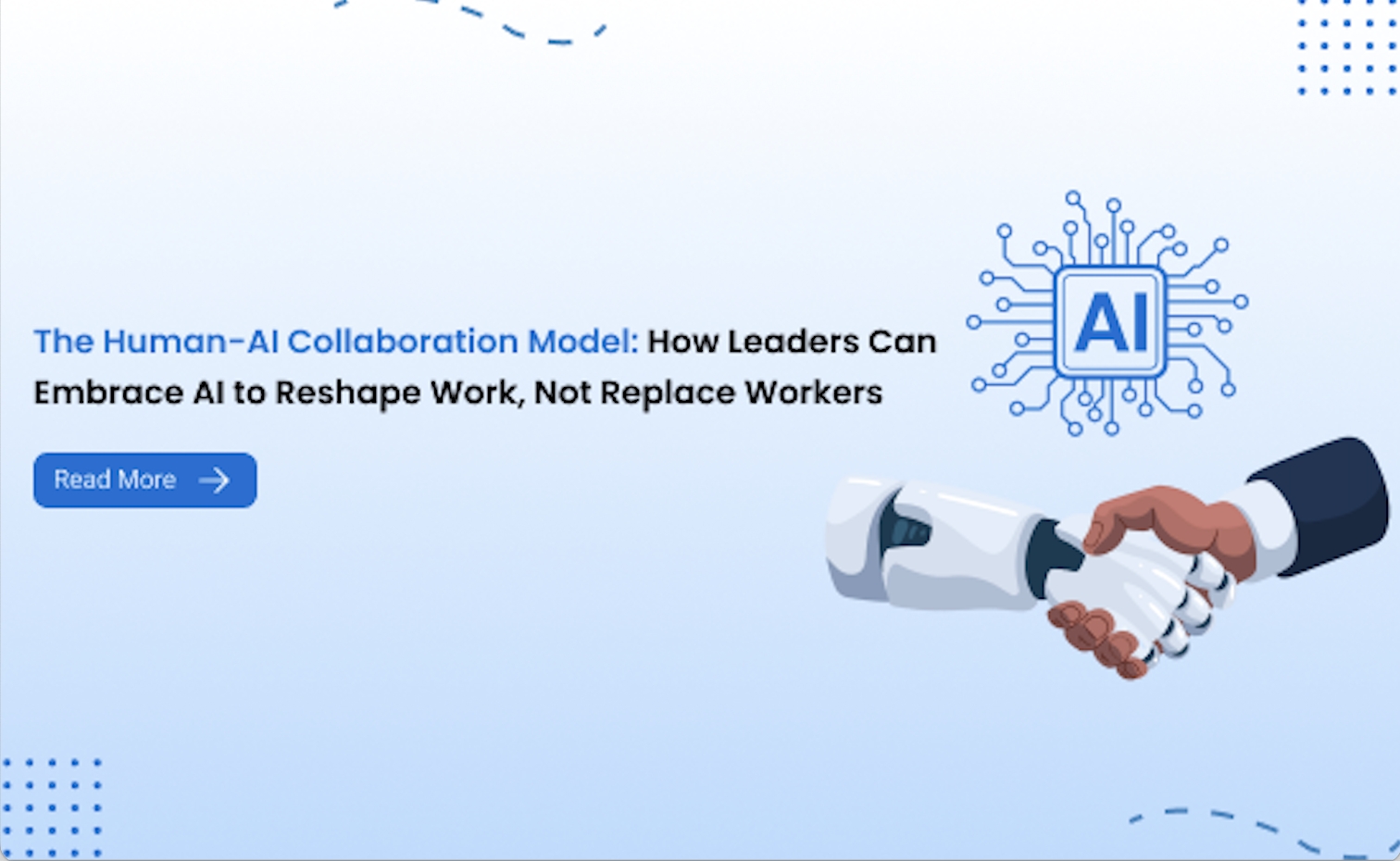
Despite the growth of automation, people still determine whether AI initiatives succeed. Employees need tools that make their jobs easier, not harder. They need systems that reduce workload, not add to it. And they need the freedom to focus on the tasks that require human judgement, empathy, and creativity.
AI should act as a support system that removes unnecessary work and creates space for people to deliver their best. When technology and human capability are aligned, organisations become more resilient and responsive. Employees feel more satisfied, customers receive better service, and teams gain time to innovate.
A simpler tech environment unlocks AI’s full potential
As AI continues to evolve, leaders will face ongoing pressure to adopt new capabilities. But the organisations that benefit most will be those that approach AI with clarity, discipline, and a commitment to simplification. Removing unnecessary complexity allows teams to focus on what matters, reduces operating costs, and creates a smoother path for AI to deliver value.
When implemented thoughtfully, AI can turn cost centres into engines of efficiency and growth. The value lies not in adopting the technology quickly, but in deploying it thoughtfully – ensuring it makes work easier, not more complicated, and helps organisations operate with greater agility in a rapidly changing world.