
As artificial intelligence (AI) rapidly transforms business operations across industries, enterprises face a pressing question: Is your network infrastructure truly ready to support AI-powered workloads? For all the promises of automation, predictive analytics, and real-time decision-making, the performance of AI hinges on the strength, speed, and security of the network that powers it.
Organizations that fail to modernize their infrastructure for AI risk poor performance, latency issues, security vulnerabilities, and operational bottlenecks. High-performance connectivity and zero-trust security frameworks are becoming foundational to support distributed AI workloads, hybrid teams, and increasingly dynamic applications.
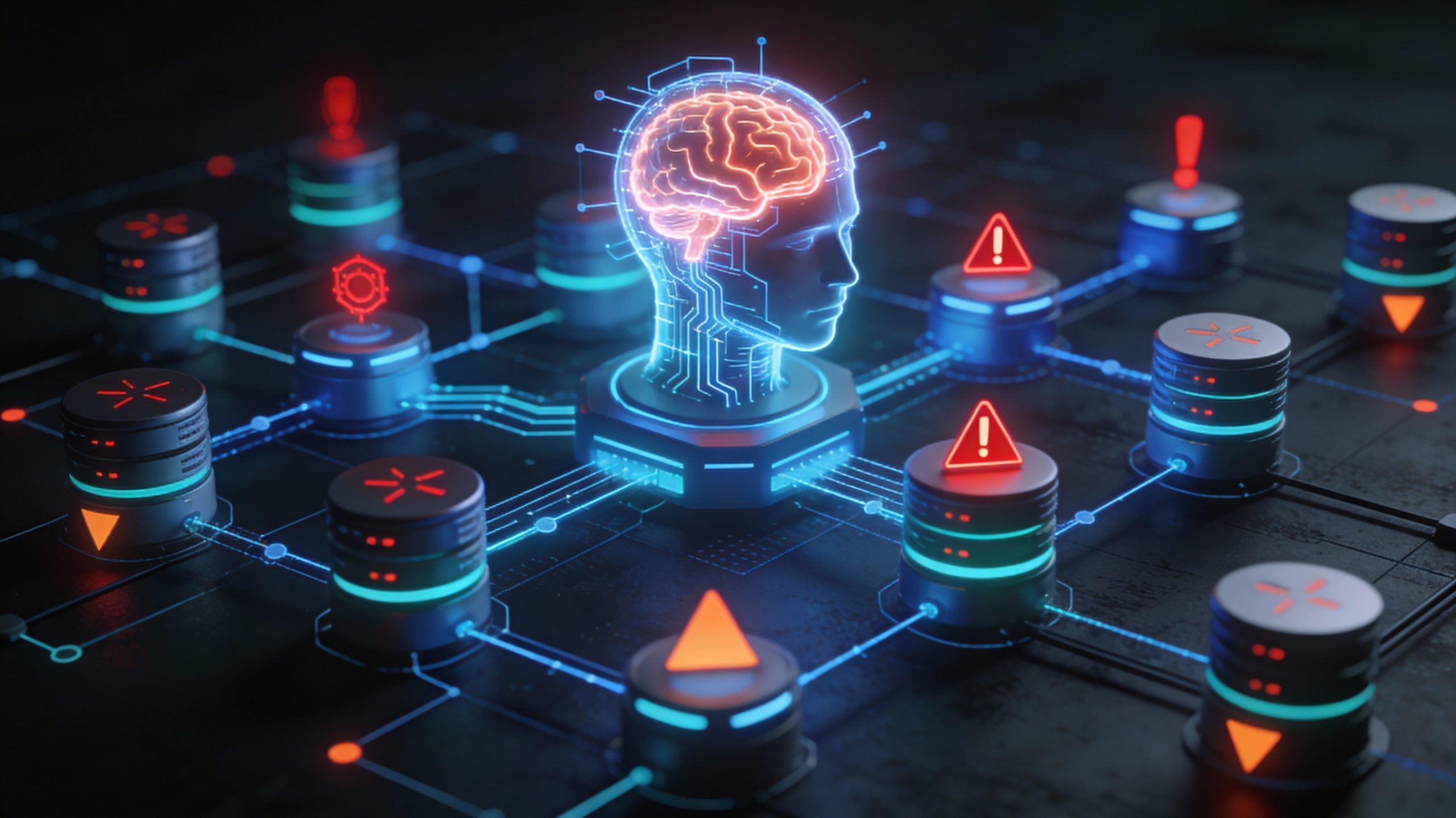
Here are five early warning signs that your enterprise network may be unprepared for AI, and the architectural shifts needed to address them.
1. Inconsistent Application Performance Across Locations
One of the clearest red flags is variability in application performance across your workforce. AI-based applications, from virtual assistants to analytics dashboards, rely on real-time data processing. If some users experience lag while others operate seamlessly, it’s a sign of underlying network issues.
Traditional VPNs or rigid MPLS-based architectures often struggle with last-mile latency and poor route optimization in hybrid and remote work environments. Modern edge architectures, distributed points of presence, and AI/ML-driven network optimization are becoming essential to ensure low-latency, high-throughput performance regardless of geography or connection type.
2. Packet Loss and Latency Issues Go Unresolved
AI applications are notoriously sensitive to packet loss and jitter. Whether it’s a machine learning model syncing with the cloud or an AI-powered customer service platform handling real-time queries, even minor disruptions can snowball into major inefficiencies.
If your IT team is constantly reacting to vague complaints about “slow” apps or unexplained downtime, it’s a red flag that your monitoring tools and network aren’t built for modern AI workflows. Personal SD-WAN approaches, real-time packet loss recovery, dynamic path optimization, and adaptive routing at the user level are emerging as key strategies to stabilize performance without manual intervention.
3. Security and Compliance Aren’t Scalable
AI adoption often involves handling large volumes of sensitive data, making robust security and compliance frameworks non-negotiable. If your current network security still depends on perimeter-based defenses or isn’t aligned with zero-trust principles, your enterprise may be vulnerable to breaches and non-compliance.
Zero Trust Network Access (ZTNA), continuous verification of users and devices, and strong compliance postures such as SOC 2 Type I/II are becoming baseline requirements as AI expands the enterprise attack surface. Automated threat-evasion techniques like Moving Target Defense (MTD/AMTD) add layer by constantly shifting the attack surface to disrupt potential attackers.
4. Legacy Infrastructure Is Cumbersome to Manage
AI innovation thrives on agility, but many organizations are still bogged down by legacy infrastructure that’s difficult and expensive to scale. Managing physical appliances, coordinating multi-cloud access, and maintaining VPN endpoints can create significant IT overhead.
Software-only, cloud-native architectures reduce operational friction by eliminating appliance sprawl and streamlining policy-based access. Hybrid access frameworks that seamlessly integrate multi-cloud and SaaS environments make it far easier for enterprises to connect to AI tools hosted across AWS, Azure, Google Cloud, and private data centers without complex configuration.
5. IT Teams Lack Visibility into Network Health
If your IT team is struggling to pinpoint where problems are occurring or how to proactively address them, it’s a sign your observability stack isn’t keeping up with the complexity of AI environments.
AI workloads are often distributed, dynamic, and sensitive to performance fluctuations. Deep, real-time visibility into user experience, device-level performance, and network conditions across geographies and cloud platforms is critical. Modern observability tools enable teams to troubleshoot issues before they impact end-users, keeping AI initiatives on track.
The Bottom Line
As organizations invest heavily in AI, many overlook a fundamental dependency: the network. AI applications demand low-latency, high-reliability, secure, and agile infrastructure, requirements that legacy architectures simply weren’t built to support.
Enterprises now need forward-looking, scalable access architectures that blend zero-trust security, high-performance networking, and granular observability to fully unlock the potential of AI without compromising user experience or security.
If your organization is seeing any of these warning signs, now is the time to address the gaps, because in the era of AI, network performance isn’t just an IT issue; it’s a business imperative.