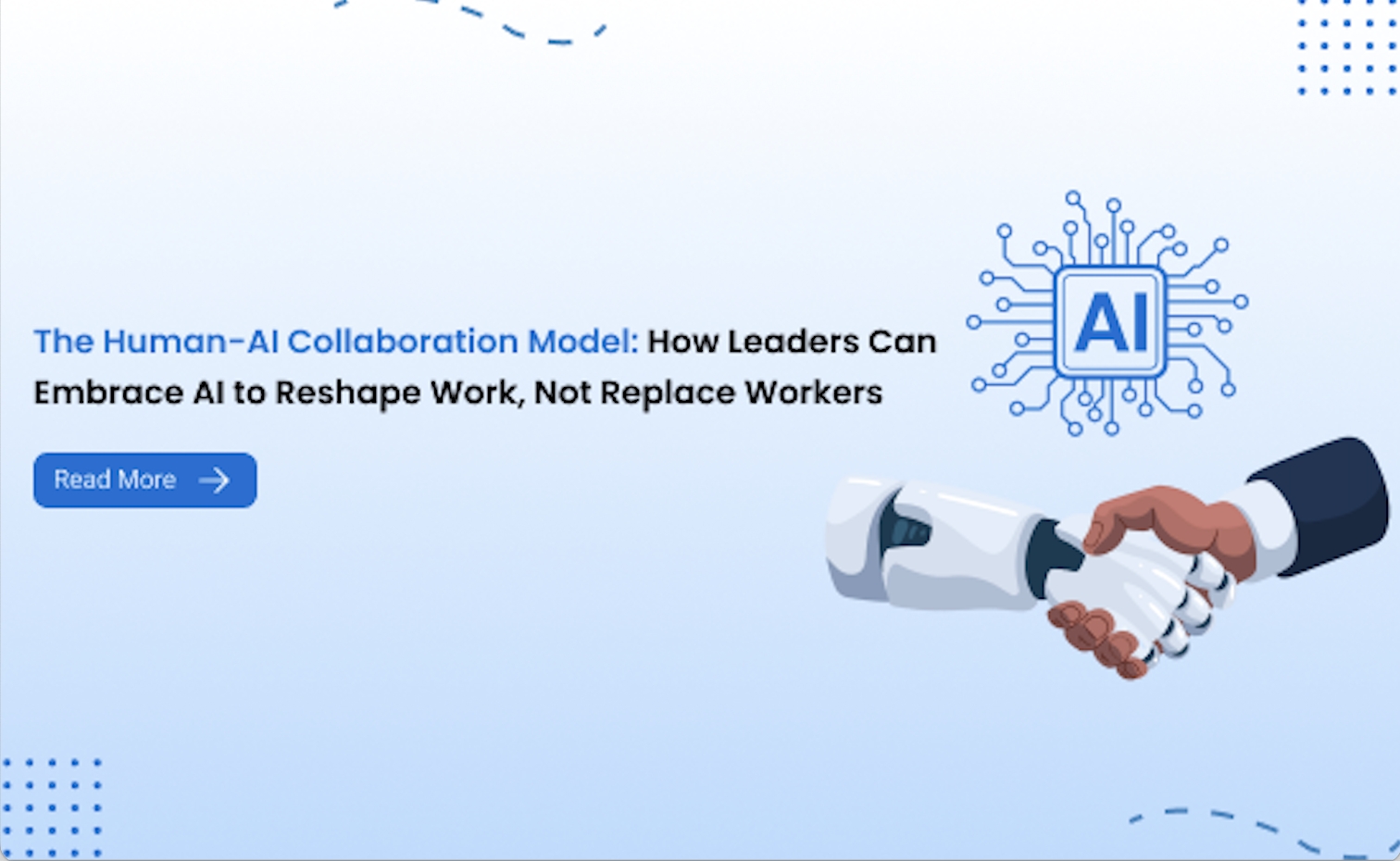


Marketing teams are standing on the edge of a seismic shift – one being shaped by AI. More than just another tool, AI is a transformational force reinventing our ways of working, the roles we hire for, and the way we create value. The real question is no longer whether to adopt AI, but how to redesign teams and workflows so humans and AI can operate together as co-workers, accelerating impact and unlocking new possibilities.
Too often, organizations still treat AI as an add-on – a way to speed up existing tasks. But the real opportunity lies in reframing the relationship. The most advanced companies start by asking: What can AI handle on its own? Only then do they ask: Where do humans crate the most value? By flipping the model, people move from executors to orchestrators – from doing tasks to driving strategy, storytelling, and connection.
Redefining Talent for the Hybrid Model
As AI takes on more of the repetitive and operational work, the skills that set people apart are shifting. Within our marketing team, three qualities have become essential:
● Curiosity: Getting the best out of AI isn’t about knowing what buttons to press — it’s about asking the right questions. Those who bring sharper, more thoughtful inquiry to the table getbetter results. The edge now comes from framing intelligent prompts and interpreting answers through the lens of your brand, your customer, and the cultural moment you’re operating in.
● Plasticity: Adaptability reacts to change; plasticity anticipates it. It’s the discipline of proactively reshaping how we think — testing strategies, learning from new data, and building change into our ways of working. Plasticity is what keeps teams ahead of the curve, constantly redefining how they operate and lead. It’s the difference between keeping up with change and setting the pace.
● Judgement: AI can surface options, patterns, and probabilities — but it can’t weigh consequences or values. Judgment is what bridges that gap – the ability to decide not just what’s possible, but what’s right. It’s the human filter that turns machine intelligence into meaningful action.
This hybrid model doesn’t diminish human skills – it augments them. AI enables teams to move away from production and towards imagination, empathy, and decision-making that drives long-term brand value. And it requires us to rethink career development. Success will no longer be measured by functional specialization alone, but by how fluidly a person can move across roles and disciplines in response to new opportunities.
From Speed to Strategy: What Intelligent Workflows Unlock
AI undeniably accelerates execution. Campaigns that once took weeks can now be launched in hours. But the true breakthrough isn’t speed – it’s what speed makes possible.
With AI embedded into workflows, teams are free to shift focus from reacting to planning, from delivery to differentiation. Instead of iterating on what already exists, they can test bold new ideas in real time, run experiments at scale, and pivot instantly based on customer feedback.
In our marketing team, this has meant moving from chasing deadlines to setting the agenda – using intelligent systems to take on operational and repeatable work at scale, while our people focus on what AI cannot do: strategy, storytelling, creativity, and human connection.
The impact isn’t just faster work; it’s more meaningful work. When machines handle the repetitive and transactional, people are freed to imagine what doesn’t yet exist, shape strategy, and deepen customer engagement. That is the true value of intelligent workflows: not just efficiency, but the elevation of human potential.
Building a Culture that Embraces Reinvention
Embedding AI is as much a cultural transformation as a technical one. We’ve created a sandbox environment where our teams can experiment safely, supported by monthly “Pause for Learning” days dedicated to exploring new tools and approaches. We even celebrate failures with a “Learning FromFailure” award. Failures offer deep insights because experimentation – successful or not – is what drives progress.
But culture isn’t just about process; it’s about people and leadership. One of the most powerful leadership shifts I’ve experienced is the courage to say no – to choose what not to do. Reinvention isn’t about doing everything at once; it’s about focusing on the right things. Clear prioritization sends a powerful signal to teams: that their time, energy, and ideas matter, and that bold decisions are made with purpose.
Leading with this kind of clarity builds trust. It shows that risk-taking is encouraged, that failure is part of growth, and that transformation is shared, not imposed. Vulnerability in leadership isn’t about uncertainty – it’s about creating space for collaboration, focus, and collective courage. When people feel that trust, they move faster and bolder.
The Future of Hybrid Teams
The shift to hybrid human–AI teams isn’t about replacing people with machines – it’s about reimagining how value gets created. The organizations that thrive will be the ones with the courage to dismantle legacy processes, experiment with new models, and empower people to do the work only humans can do: bringing empathy, imagination, and purpose into every interaction.
AI will continue to accelerate execution, but speed alone isn’t the differentiator. The true advantage comes from how boldly teams use that speed to unlock creativity, test ideas, and reinvent themselves. Across industries, we are already seeing this in action: retailers reimagining customer journeys, financial services firms rethinking onboarding processes for customers, and healthcare organizations finding new ways to scale access. The lesson is the same in every case – hybrid teams are not a “future state.” They are today’s competitive advantage.