
Abstract
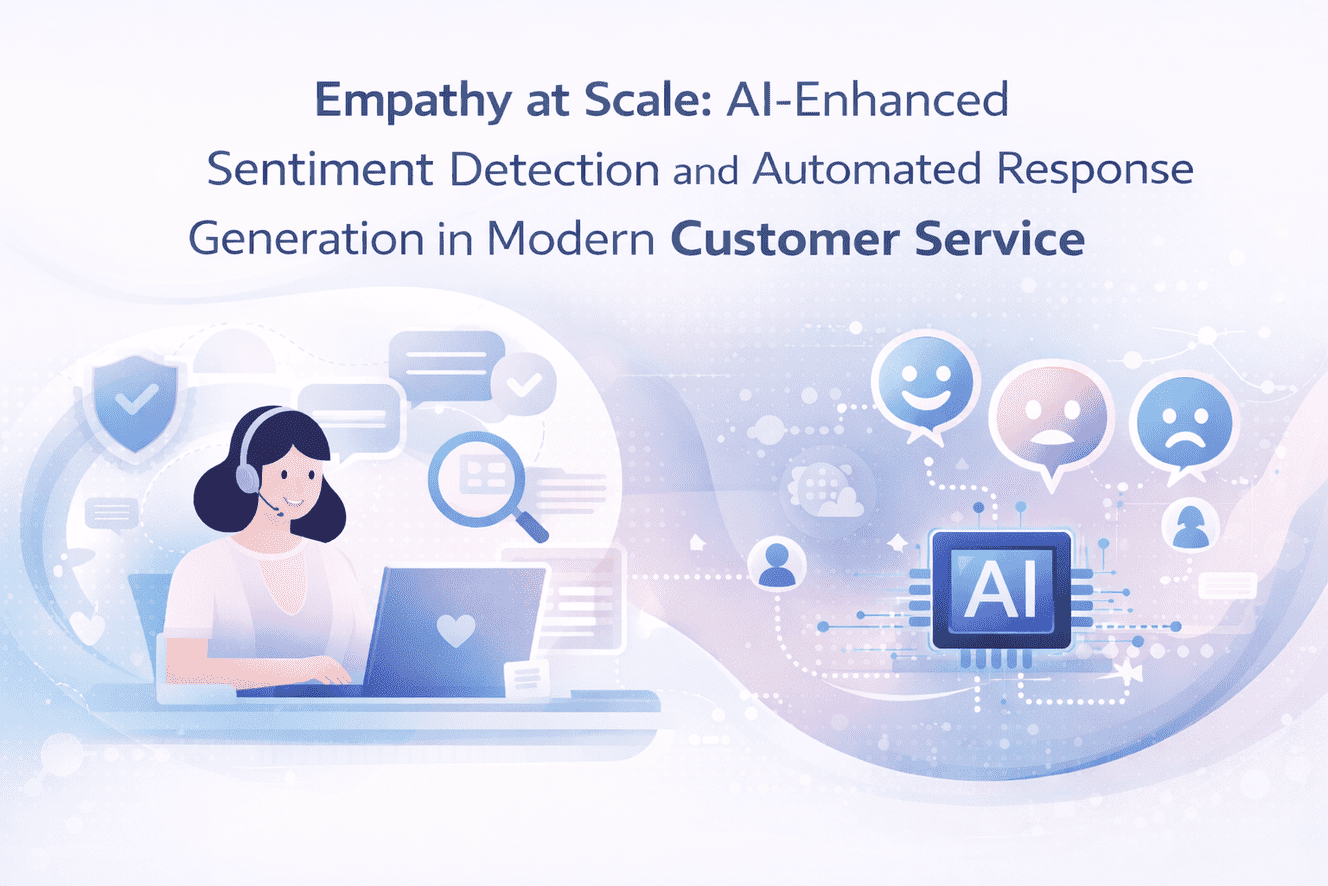
Customer expectations continue to evolve, with organizations facing unprecedented pressure to deliver rapid, empathetic, and personalized support at scale. Traditional customer service models rely heavily on human agents to interpret emotional cues, craft responses, and maintain consistent communication quality. AI-driven sentiment detection and automated response generation introduce a paradigm shift by enabling support teams to address inquiries with emotional awareness and intelligent automation. This article presents a vendor-neutral framework for implementing an AI-augmented customer service workflow, emphasizing empathy, accuracy, and operational efficiency.
1. Introduction
Customer service organizations face rising expectations and increasing interaction complexity. Customers expect not only fast solutions but emotionally aligned communication that acknowledges their frustrations or appreciation. As volumes surge, maintaining consistent empathy becomes challenging for human agents, leading to variability in communication quality and customer satisfaction.
AI technologies—particularly sentiment detection and generative language models—offer a new path forward. By augmenting customer service workflows with emotional intelligence, organizations can deliver more meaningful, rapid, and supportive interactions without overwhelming human staff.
2. The Evolution of AI-Augmented Customer Service
AI-augmented service models strengthen three core experience pillars:
• Emotional Intelligence — interpreting how customers feel.
• Communication Quality — ensuring tone-aligned, meaningful responses.
• Operational Efficiency — reducing manual drafting and decision workload.
This hybrid approach maintains human oversight while leveraging automation for emotional interpretation and response generation.
3. Architecture of an AI-Powered Sentiment & Response Workflow
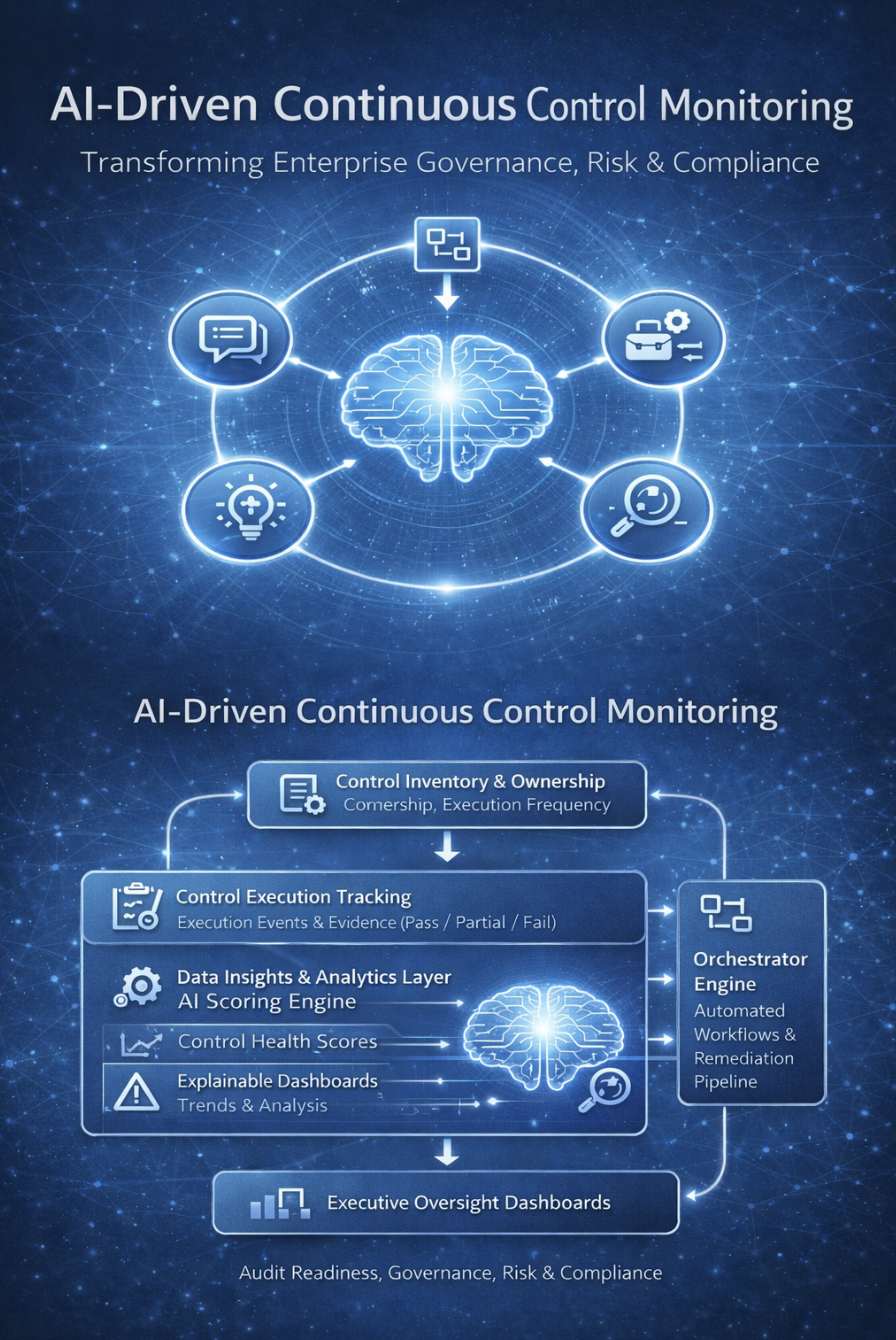
A robust AI-enhanced workflow includes four interconnected layers:
1. Input Layer — capturing customer messages.
2. Sentiment Analysis Layer — interpreting tone and emotional intensity.
3. Generative Response Layer — drafting empathetic, context-aware responses.
4. Case Enrichment Layer — updating service records with sentiment, notes, and recommendations.
**Architecture Diagram:**
4. Sentiment Detection Methodology
Sentiment detection models classify tone using lexical cues, contextual interpretation, and semantic analysis. Effective workflows incorporate:
• Keyword-based emotional recognition.
• Contextual tone modeling.
• Multi-layer semantic analysis.
• Confidence scoring for transparency.
This ensures accurate emotional understanding before generating responses.
5. Automated Empathetic Response Generation
Automated empathetic responses help acknowledge customer feelings and maintain professionalism. These drafts enable agents to respond faster and with greater emotional alignment. AI-generated messages typically:
• Recognize customer frustration or appreciation.
• Reassure the customer.
• Provide clarity on next steps.
• Maintain brand-consistent tone.
6. Benefits of AI-Augmented Sentiment & Response Systems
AI-enhanced service systems deliver measurable improvements:
• Faster response times.
• Higher customer satisfaction.
• Consistent communication tone.
• Reduced agent burnout.
• Better first-contact resolution.
• Scalable empathy across workloads.
7. Ethical Considerations
AI-driven communication must follow responsible governance principles:
• Maintain human approval before sending.
• Protect sensitive conversational data.
• Mitigate model biases.
• Ensure tone accuracy and cultural sensitivity.
8. Future Directions
Future service models will integrate deeper emotional intelligence through:
• Multi-intent sentiment analysis.
• Predictive emotional trajectory modeling.
• AI-generated next-best-action suggestions.
• Omnichannel emotional synchronization.
9. Conclusion
AI-driven sentiment detection and empathetic response generation elevate customer experience by blending automation with emotional intelligence. Organizations leveraging this hybrid model can deliver faster, more empathetic communication while reducing operational strain and improving satisfaction. The future of customer service lies in meaningful collaboration between human agents and emotionally aware AI systems.
10. References
1. Ammari, T., Schoenebeck, S., & Morris, M. R. (2020).
Empathy, Communication, and Trust in Human–AI Interaction.
Proceedings of the ACM on Human-Computer Interaction.
2. Devlin, J., Chang, M.-W., Lee, K., & Toutanova, K. (2019).
BERT: Pre-training of Deep Bidirectional Transformers for Language Understanding.
Proceedings of NAACL-HLT.
3. Shum, H., He, X., & Li, D. (2018).
From Eliza to XiaoIce: Challenges and Opportunities with Social Chatbots.
Microsoft Research Technical Report.
4. Kumar, A., & Rose, C. (2020).
Intent and Sentiment Analysis Models in Customer Communication.
Journal of Computational Linguistics.