

Healthcare has never moved fast. Regulation, patient safety, entrenched workflows, and decades of legacy technology created a system designed to minimize risk, not maximize adaptability. For years, that caution was defensible.
Not today.
Rising labor costs, payer pressure, and shrinking margins are forcing healthcare organizations to find better operating models. Patients and physicians are adopting digital tools faster than anyone expected, reshaping expectations for access and convenience. Patients are becoming increasingly frustrated with growing administrative friction in healthcare.
The tension is obvious: there’s appetite for change, but implementation remains slow and difficult. AI promises relief—but only if applied correctly.
The Crisis: Rising Denials and Structural Disadvantage
Claims denials tell the story. Initial denial rates that once hovered near 8% are now climbing to 12–15% for many providers. That translates to delayed reimbursements, increased overhead, and tens of millions of dollars trapped in rework annually.
For health system leaders, it’s weeks or months of delayed cash flow, eroded margins, and exhausted teams. Backlogs in coding and appeals tie up clinician time. Scheduling and registration become bottlenecks. Patients feel the friction at every touchpoint.
Meanwhile, payers—who have access to resources that providers do not —have already deployed advanced AI for adjudication, fraud detection, and automated workflows. The gap between technologically enabled payers and under-optimized provider operations is widening. Healthcare organizations that don’t catch up face a structural disadvantage.
Why AI Implementation Is Harder Than the Hype
In tech, AI gets framed as a plug-and-play. In healthcare, reality is messier.
To start, AI needs clean, structured data. Healthcare data is notoriously fragmented —scattered across EHRs, scheduling tools, billing systems, clinical notes, and more. The data quality is uneven, creating silos, and these silos block reliable automation.
There are also privacy and security requirements, which impose governance burdens that other industries don’t face. Simultaneously, clinicians and administrators demand transparency. Black-box models lose trust, even when accurate, if they disrupt workflows or obscure decision logic. Ultimately, the money and time cost alone can be a deterrent—integrating AI into Epic or Cerner is expensive and compliance-heavy.
The result: AI pilots stall, not because the technology fails, but because it’s layered onto broken processes instead of replacing them.
You Can’t Tech Your Way Out—You Have to Redesign the System
Technology rarely solves systemic problems alone. True transformation requires redesigning underlying processes so technology becomes a catalyst, not a band-aid.
In revenue cycle management (RCM), data is fragmented across dozens of systems: registration, scheduling, EHR, coding, charge capture, claims & denials management, payer contracts, accounts receivable, compliance & audit. Automating these disparate pieces without rethinking the architecture leads to fragmented outcomes and limited ROI.
Real improvement requires refocusing on three core interaction types that span the entire cycle:
- Patient interactions
- Physician and clinical data interactions
- Insurer interactions
Collapsing traditional RCM silos into these three domains creates end-to-end workflows in which AI operates with context, not in isolation. Fewer handoffs. Greater continuity. Integrated automation that enhances patient engagement, reduces physician burden accelerates accurate revenue.
Elevate Human Expertise, Don’t Replace It
The misconception: AI’s value is replacing human work.
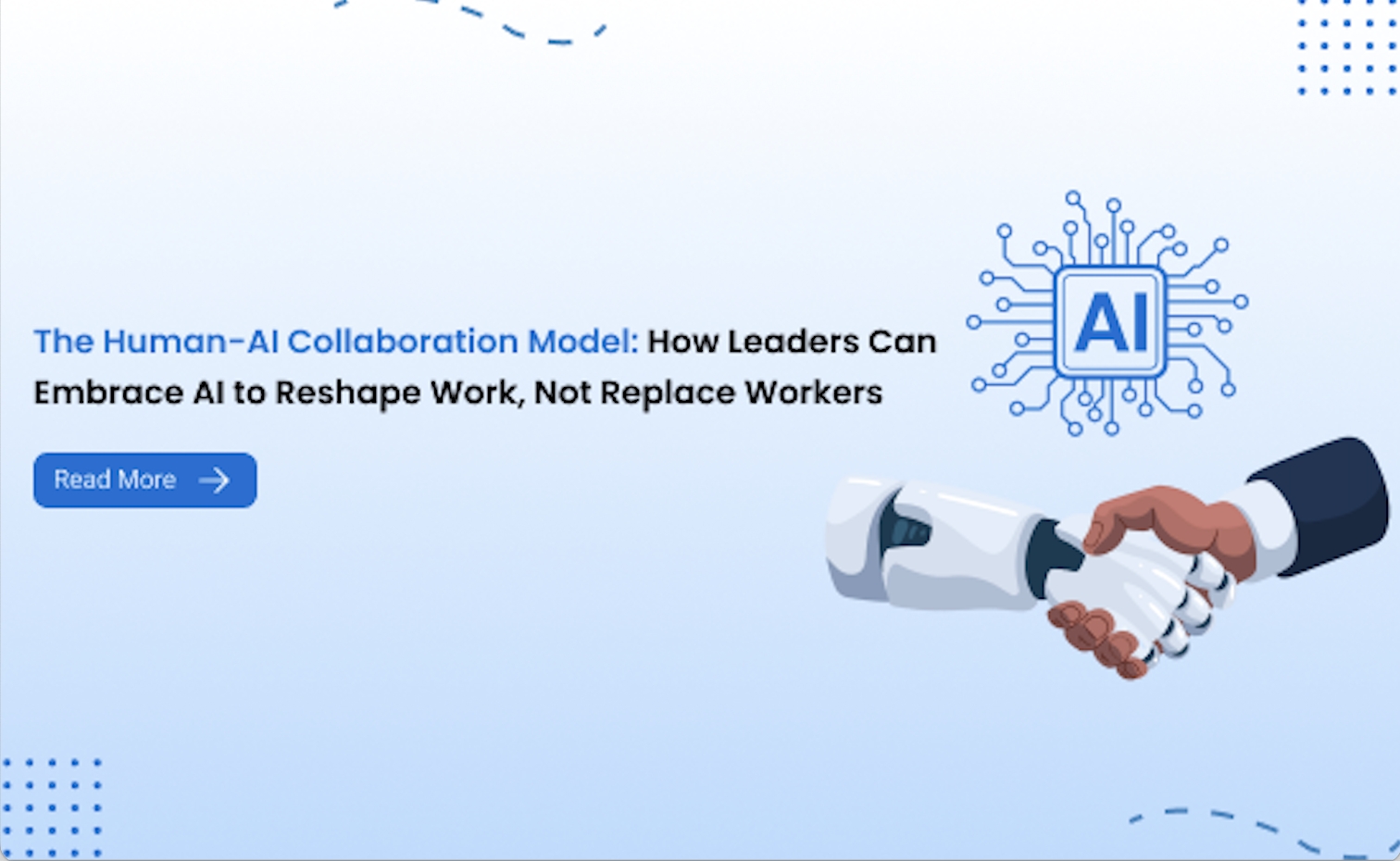
The reality: AI’s greatest benefit is enabling humans to do what they do best.
When systems automate repetitive tasks—coding validation, demographic verification, routine denial profiling—staff focuses on high-value work requiring judgment and expertise. Instead of juggling 40 or 50 mixed responsibilities, teams concentrate on ~20 that need deep problem solving.
Quality assurance evolves. Instead of sampling cases manually, technology analyzes 100% of volumes, in real-time, and focus teams to the exceptions. This shift from selective review to full transparency raises quality, reduces errors, and builds trust in technology.
Respecting Existing Investments
Silicon Valley understands the value of building on platforms rather than ripping and replacing. In healthcare, this isn’t just practical—it’s necessary.
Extending the ROI of core EHR systems like Epic and Cerner preserves existing investments while embedding AI where it matters. Orchestrating revenue cycle intelligence through platforms like Ensemble’s EIQ™, and integrating with partners like Microsoft, Cohere, and Databricks puts data to work without losing source of truth and transparency.
This pragmatic approach accelerates adoption by meeting teams where they are.
Early Wins Change Culture
One of the most compelling aspects of AI adoption in healthcare is how quickly skepticism gives way to demand once teams see results. When accuracy improves, denials fall and cycle times shrink, people stop asking if the solution works—they ask when it can be deployed more broadly.
Success breeds trust. But sustainable transformation requires change management, training, and cross-functional buy-in. AI that improves existing systems rather than replacing them accelerates adoption. When patients experience intuitive self-service and clearer communication, satisfaction rises across the ecosystem.
Reimagining the System, Not Just Adding Tools
When AI is aligned with real human needs and grounded in practical workflow design, it becomes a true force multiplier. In healthcare, this alignment enables organizations to meet modern expectations and deliver on the promise of smarter, faster, and more patient-centric care. Ensemble’s agentic AI approach is built on a powerful combination of high-fidelity data and deep domain expertise.
By managing revenue operations for hundreds of hospitals nationwide, Ensemble has built one of the most robust datasets in healthcare. Decades of aggregation, cleansing, and harmonization efforts have produced more than two petabytes of longitudinal claims data, 80,000+ denial audit letters, and 80 million annual transactions tied to industry-leading outcomes. This foundation powers EIQ®, Ensemble’s end-to-end intelligence engine, delivering structured, context-rich data across more than 600 revenue cycle workflows.
Innovation is driven by close collaboration between domain experts at every stage: AI scientists, RCM experts, clinicians, and end users. Together, they design AI systems that reflect regulatory realities, payer-specific logic, and operational complexity—resulting in AI that mirrors expert judgment and scales human impact.
Organizations that reimagine workflows around core interactions and align data, people, and technology will achieve measurable gains in accuracy, efficiency, and financial performance—and ultimately help providers improve access and focus on delivering the highest quality patient care. That is, after all, the mission of healthcare.