
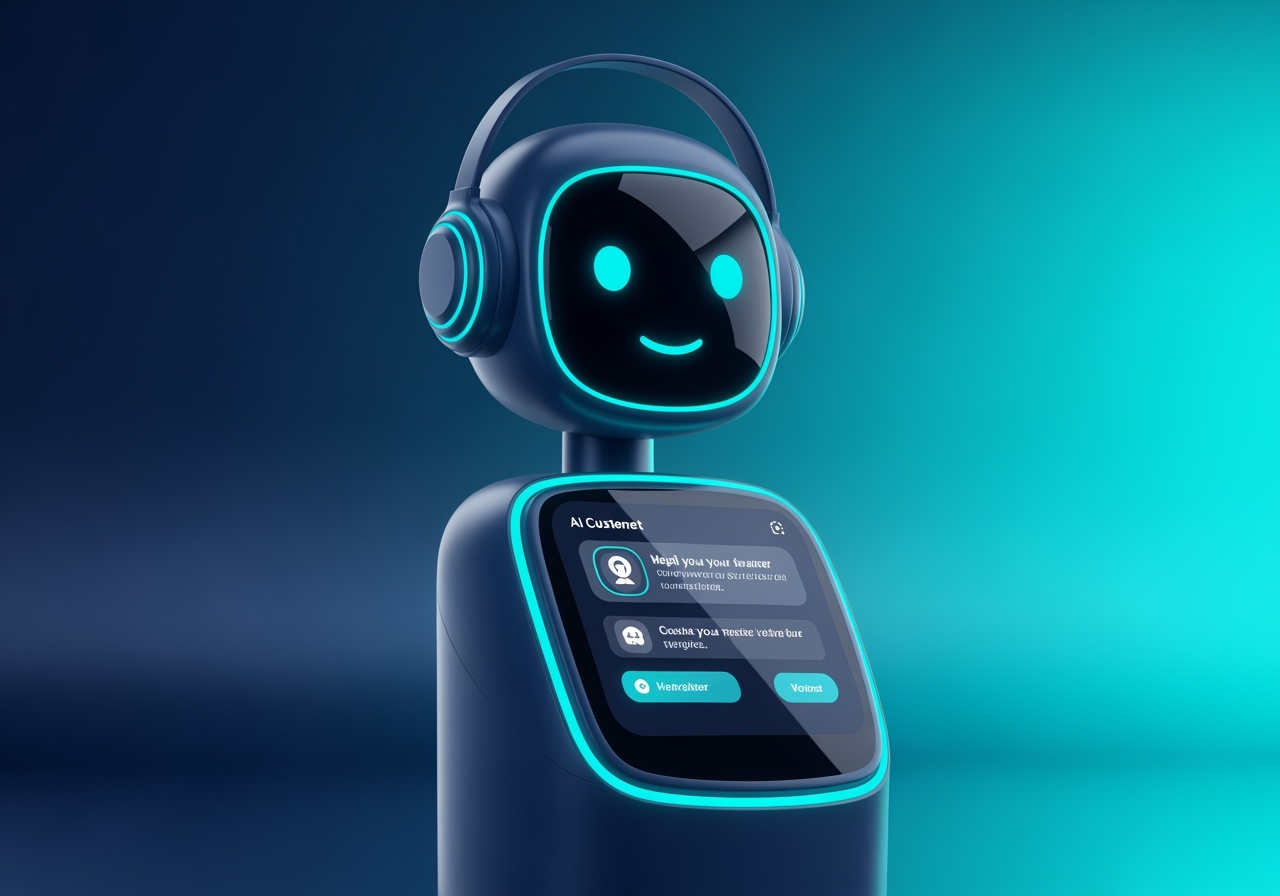
Since the launch of ChatGPT at the end of 2022, the rise of generative AI has dominated the corporate zeitgeist. As we look toward 2026, conversation has moved towards the power of “agentic AI” and the promise of a world where customer friction is smoothed over by autonomous digital entities that never sleep. Across industries, the rush to deploy AI agents is often framed as an inevitable evolution of efficiency, often accompanied by the assumption that human touchpoints are simply “cost centers” waiting to be automated away.
However, we are beginning to see the cracks in this assumption. According to a recent McKinsey study, 39% of businesses say they have begun experimenting with AI agents, but the use of agents is not yet widespread. Most of those who are scaling agents say they’re only doing so in one or two functions. Additionally, a study byOutreachX found that nearly 94% of consumers still want to talk to a real human when they need support.
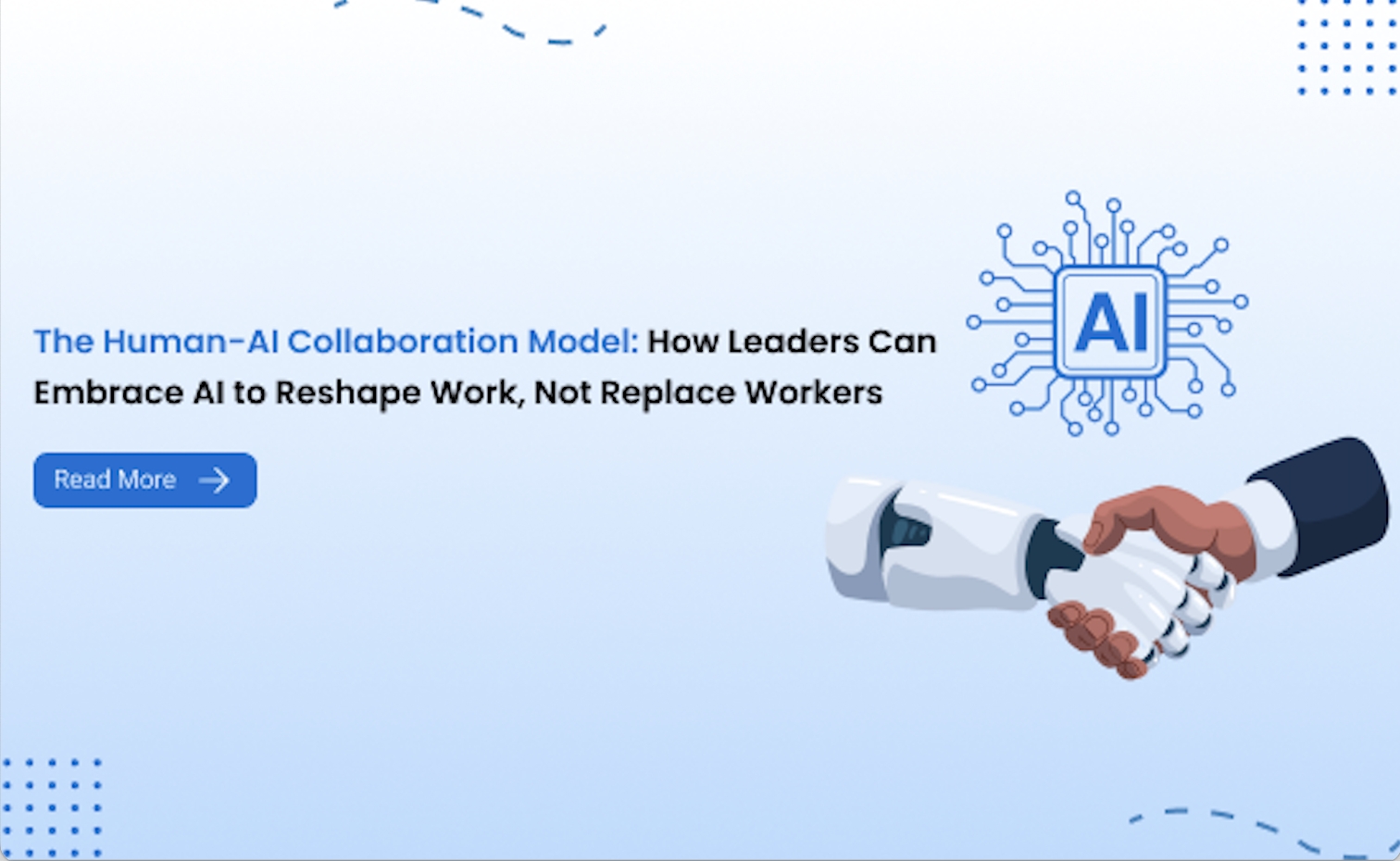
This poses the question: will AI actually make human customer service teams obsolete or will humans instead become more valuable?
In my career, I’ve learnt that some of the most expensive mistakes in software and product design almost always stem from assumptions. I recall a specific example in our development of Factor’s scheduling system, where we assumed, based on limited consultation, that firms simply wanted to schedule total hours per week. We built the entire feature on that assumption, only to realize later that users needed a level of granularity regarding specific project phases that we hadn’t even considered.
AI, by its very nature, is a machine built on statistical assumptions which can lead to critical knowledge gaps. They operate on the average of human experience which means they are structurally incapable of handling the nuance that defines high-stakes business relationships or complex customer queries. This is echoed in research from Stanford and Harvard, which shows a sobering reality. Agentic systems that feel “magical” in controlled demos often collapse when faced with the messy, non-linear variables of real-world usage, suggesting we are still a long way from AI agents fully replacing humans.
The irreplaceable human touchpoint
Human agents offer multiple skills that AI does not, such as the ability to recognize nuances in tone, unspoken concerns, and the emotional weight of a situation. In architecture and engineering, for instance, a project delay isn’t just a late deliverable; it’s a source of immense stress for a client, involving potential liability and multi-million dollar budget shifts. A human can de-escalate that tension and offer reassurance or guidance that a robot’s scripted empathy never could.
Additionally, human teams are critical for asking the unanswered questions. In the example I mentioned above, it was only through directly speaking with someone that we discovered a vital missing piece of information. If we had only relied on AI agents, this would likely have been missed. Machines lack the intuition to ask deeper follow-up questions or the ability to listen to verbal cues. It’s only through human-to-human conversation that we uncover those “golden nuggets” of feedback that are crucial to product development.
That said, this doesn’t mean AI is completely useless. It just needs to be deployed strategically.
Leveraging AI to unlock human potential
Rather than trying to replace humans completely, we should be looking at how we can leverage AI to clear the “transactional clutter” from our teams’ plates, allowing them to focus on the high-stakes interactions that actually define a brand’s reputation.
To do this, leadership must first evaluate their offering: what percentage of your customers’ needs are truly transactional? If your support queue is filled with repetitive, simple queries (e.g. password resets, status updates, or basic documentation lookups) then using AI to handle these interactions offers faster, more consistent service for customers who just need a quick answer.
The remaining percentage is where the “irreplaceable human touchpoint” lives. By automating the mundane, you empower your human agents to pour 100% of their attention into these critical moments where empathy, subtlety, and careful guidance are required. These are the interactions that really make the difference for customers, so why not make your team even more successful by removing the things that occupy their attention unnecessarily?
Human leadership is crucial for ensuring that AI is adopted successfully. It’s not enough to simply give every customer service agent an AI co-pilot in the hope that this will automatically increase “collective productivity”. Currently, many organisations are achieving what I call “parallel productivity”, where individuals use AI to work slightly faster, but the collective knowledge of the organization remains stagnant. This leads to a “knowledge gap” where high-performers accelerate while the rest of the team falls behind.
The future belongs to the “Collective Value” model. This is where AI is used to gather, index, and analyze intel across thousands of interactions and agents, but humans turn that data into wisdom. When a human agent solves a complex, non-linear problem, they provide a blueprint for a change management initiative that an AI cannot yet replicate.
The future is hybrid, not autonomous
It’s clear that we’re still a long way from AI agents replacing human customer service agents without risking the loss of critical feedback loops or quality of service. For AI adoption to be successful, we need a shift in perspective. Customer service roles should no longer be viewed as low-skill cost centers, but as the strategic heart of the company.
The goal of the modern executive shouldn’t be to build a business that runs without people. It should be to build a business where people are freed from the “unnecessary attention” of transactional tasks, empowered by technology to be more intuitive and impactful than ever before.
Ultimately, AI provides us with an abundance of information, but humans provide the context required to turn that information into a competitive edge. By clearing the plate of the transactional, we make our teams not just more efficient, but more successful in the interactions that truly make the difference.