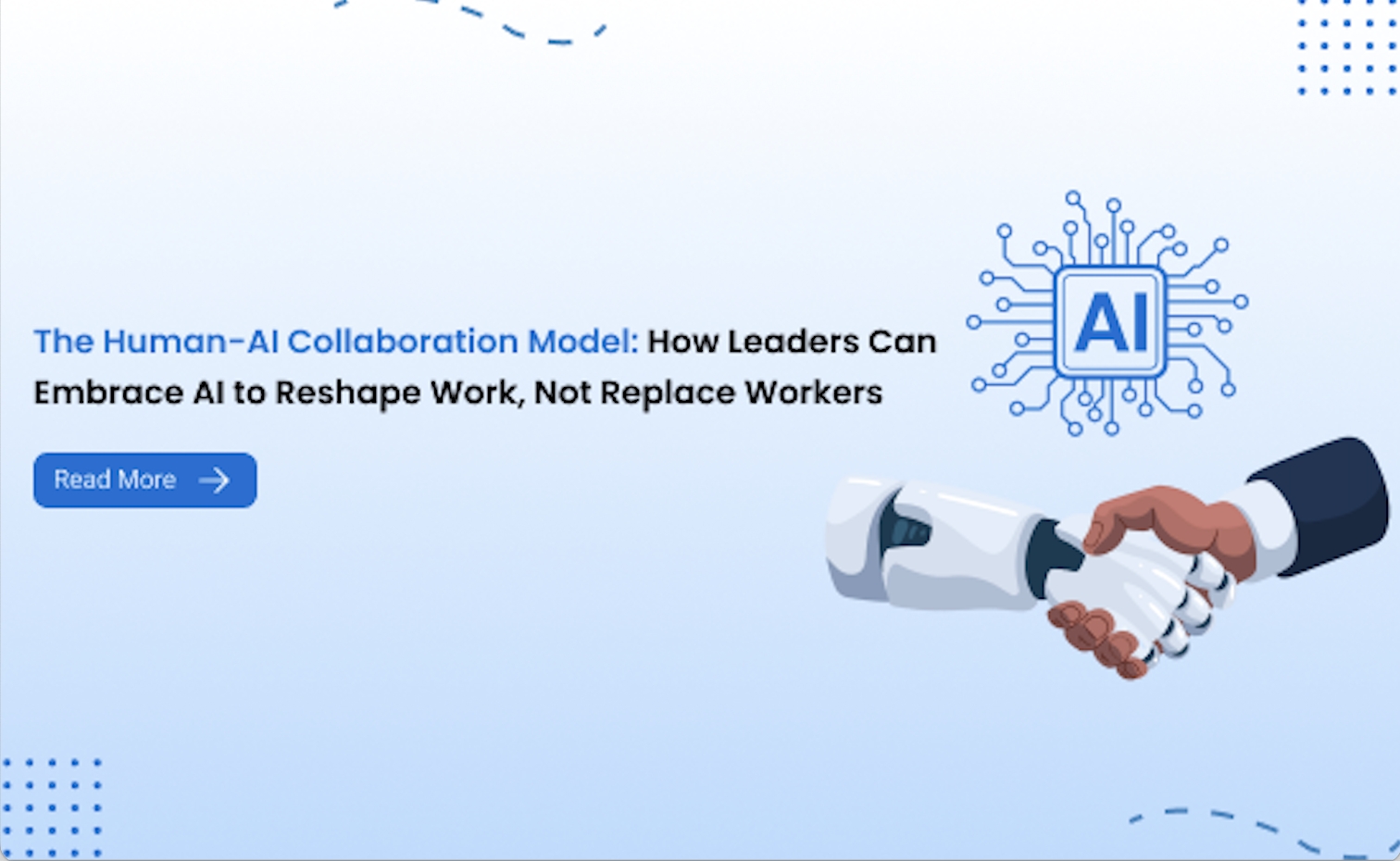


If AI is going to replace white collar workers, someone like myself ought to be quite worried. I’ve spent my career in the IT services space, which, by many measures, is ripe for disruption by AI. In a world where AI excels at tasks like writing and updating code, deploying applications and managing software updates and vulnerability patching, one might think we no longer need many IT service professionals.
But I’m not, in fact, worried about being replaced by AI – not because I believe AI isn’t as capable of delivering the value that its backers promise (on the contrary, I am extremely bullish about the ability of AI to upend virtually every aspect of the way businesses operate), but because I’ve worked in the IT space long enough to know that with every threat to traditional ways of working comes new opportunities. The AI revolution is no different.
This lesson is relevant not just for people employed in the IT services industry, but for white collar workers of all stripes concerned about keeping their jobs and remaining competitive in an increasingly automated, AI-powered world.
How AI is disrupting IT services
There can be little argument that AI is poised to upend the way IT services professionals work.
While automation is by no means new to IT (for years, IT engineers have relied on automated tools to handle tasks like updating software and generating alerts about application performance issues), AI takes automation opportunities to entirely new levels.
Instead of just performing routine, consistent tasks, AI can handle advanced workflows with unpredictable variables like provisioning software on PCs where every user requires a unique setup based on their roles and preferences. And, AI doesn’t merely detect IT problems; it can also independently resolve them by, for example, updating source code to remediate a security vulnerability or adjusting the resource allocations of a server to address a performance issue.
Historically, these were tasks that required human expertise and judgement. But with AI, businesses no longer need to devote extensive personnel resources to this type of work hence why some IT pros might feel more than a little worried about their career outlooks and skill set relevance right now.
We’ve seen this movie before
These changes, and the perceived threat to IT jobs that they create, may feel unprecedented. Viewed against the backdrop of the IT industry’s long history of constant change, however, the AI disruption that is currently taking place doesn’t feel as drastic.
After all, as I mentioned, there is a very long trend of automating IT work. AI has accelerated the pace of automation and introduced automation capabilities to new areas, but it’s not as if the IT engineers have never before lived in a world where software could perform much of their work. On the contrary, the ability to build and leverage automations – even basic ones, like simple Bash or PowerShell scripts effectively has long been a key skill for IT pros.
Beyond automation, the IT industry has also worked through other disruptions without the widespread collapse of careers. IT services was one of the first industries to embrace offshoring wholesale, for example. And, while many IT jobs that were originally based in North America and western Europe did indeed move overseas, there remained plenty of openings for Americans and Europeans who wanted to pursue IT careers, so long as they specialized in skill sets that differentiated them from offshored teams.
You could tell a similar story about the shift to cloud computing. When enterprises began adopting the cloud in the mid-2000s, some observers predicted that IT engineers would become irrelevant because there would no longer be physical servers to maintain. What actually happened, of course, is that IT pros once accustomed to managing on-prem hardware evolved into Cloud engineers. Their skill sets changed but their importance to businesses did not.
Upskilling for the AI era: What IT services professionals can do
Just as smart IT services professionals leaned into innovations like automation software and the cloud in past eras, today’s IT pros must similarly embrace AI in ways that allow them to add value around AI investments.
In this regard, the advice that IT professionals sometimes receive is that they must learn to use AI to do their jobs more effectively. That’s not exactly wrong, but it implies that IT career success in the AI era amounts to simplistic practices like asking AI chatbots to spit out code or assess software problems.
In my mind, the most competitive IT pros need to take their embrace of AI further. They must become specialists in practices like prompt engineering and context engineering. They need to learn to use AI to engineer entirely new approaches to solving IT problems, as opposed to leveraging AI simply to augment or accelerate traditional IT workflows.
To be more specific, consider the example of knowledge management. Traditionally, businesses have struggled to build and maintain knowledge management systems that record enterprise information and make it easily accessible.
Forward-thinking IT services professionals, however, could engineer novel types of knowledge management solutions based on AI. They could, for instance, use LLMs to build ontologies and knowledge graphs based on enterprise data and provide this context-rich information to end-users.
This is just one example, but it highlights the type of approach that IT pros should be taking as they seek to help their businesses unlock more value with the help of AI.
Job advice for the AI era
As I mentioned, these takeaways aren’t relevant just for people in the IT services industry. Broadly speaking, they apply to all white collar or knowledge workers whose jobs can be partly or fully replaced by AI. Rather than burying their heads in the sand, hoping that enterprise AI adoption won’t actually work out as planned, these folks should be thinking about ways to engineer novel AI-driven solutions. When knowledge workers operate in this way, they transform themselves into an essential part of enterprise AI success as opposed to becoming targets for layoffs because their traditional skills and workflows can be handed off to AI.