

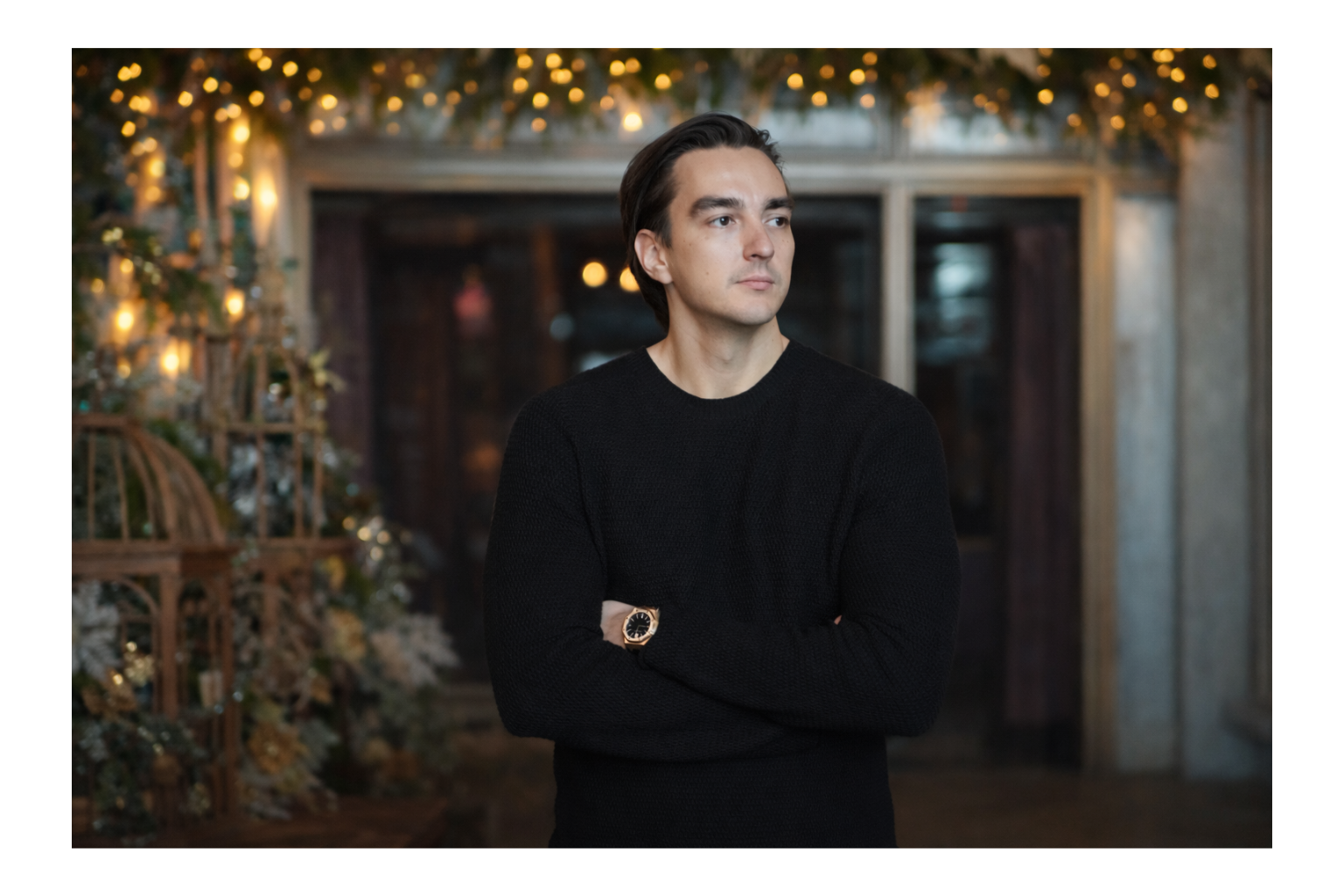
Today we’re talking about something important: where faith tech is headed in 2026. Our guest is Nail Saifutdinov, President of UWRO.
1. Hello, Nail. In simple terms, what is UWRO?
Nail: Hello. UWRO is an international foundation that creates digital solutions for faith-based organizations around the world—websites, apps, media, and social media. We also develop cemetery wayfinding so people can quickly find a burial site and show care even from a distance.
2. What is your core idea?
Nail: We’re where faith brings people together. And we make sure today’s digital world supports that connection. A great website, a convenient app, clear communication—those are part of life now, too.
3. What exactly do you create for faith-based organizations?
Nail: Websites, apps, content, social media—everything people encounter in the digital space. And we train teams so this work is sustainable and doesn’t depend on chance.
4. Why do you focus on social media and media content?
Nail: Because that’s where people are today. That’s where they ask questions, look for answers, and make decisions. We want to show that faith communities can create high-quality content on major social platforms and in media—and in doing so support the broader faith world.
5. UWRO is an international foundation. What does that change?
Nail: It sets the scale—and it demands discipline in quality. We build digital solutions so they are clear for people in different countries and cultures, and so an organization looks modern in any context.
6. Which faith traditions do you work with?
Nail: Catholicism, Orthodox Christianity, Protestantism, The Church of Jesus Christ of Latter-day Saints (LDS), Islam, Judaism, Hinduism, Buddhism, Sikhism, Jainism, the Bahá’í Faith, Shinto, Zoroastrianism, Yoruba religion, Confucianism, the Armenian Apostolic Church, Anglicanism, and Taoism.
7. Now about cemetery wayfinding—why did you choose this topic?
Nail: Because it’s a real need. We want everyone to be able to easily find someone they love, and to show care through something as simple as flower delivery or gravesite cleaning—even if they are far away. This is a part of life that, sooner or later, everyone encounters. We’re here to make this space better, gentler, and more humane.
8. What does it look like in practice for a person?
Nail: A person enters the details and gets the exact location. Then they get a simple, clear route—without unnecessary detours. And once they’re on site, wayfinding solutions help as well, so a smartphone isn’t always required.
9. What does “care-from-afar” mean?
Nail: It’s when someone lives in another country or city but still wants to do something important: arrange flower delivery, cleaning, and ongoing upkeep. We build services that turn the desire to care into a clear action.
10. What standards do you set for yourself, and how do you see UWRO developing next?
Nail: The standard is simple: high digital quality for faith-based organizations and practical solutions in the area of remembrance. We’re expanding international projects and developing other faith tech initiatives, but one thing stays the same—technology must help people. You can follow our work through UWRO’s official social media channels.
11. Thank you, Nail, for your time and for this open conversation. We’re glad to see important human themes receiving modern, thoughtful development.
Nail: Thank you. Take care of your loved ones, cherish them, keep faith, and stay well.
More about UWRO’s mission and work: uwro.org