
Recovery from narcissistic abuse rarely looks like what people expect. There is no single moment of clarity, no clean break. For most survivors, the process is slower and stranger. They leave the relationship, or get discarded during the narcissistic discard phase, and then spend months trying to figure out what actually happened to them. The confusion is not incidental. It is a direct result of how the abuse worked.
Covert narcissistic abuse distorts a person’s perception of reality over a long period of time. Gaslighting, blame shifting, emotional coercion, the silent treatment, the constant reframing of events — these tactics leave survivors questioning their own memory and judgment long after the relationship ends. One of the things that makes covert narcissist signs so hard to identify in real time is that they rarely look like abuse from the outside. They look like a difficult relationship. They look like two people who are incompatible. Rebuilding trust in your own perception turns out to be one of the hardest parts of recovery, and it is the part that traditional support structures are often least equipped to help with.
That is where AI tools have started to fill a gap that nobody planned for.
One of the most consistent things survivors describe is the difficulty of articulating what happened to them. Not because they lack the words, but because covert emotional abuse leaves so few clean examples. There was rarely screaming or obvious cruelty. What there was instead was a pattern — a long sequence of subtle put-downs, manufactured confusion, emotional blackmail, and psychological manipulation that only becomes visible when you look at the full picture.
Therapists who specialize in this area often describe the same challenge. A survivor comes in and tries to explain what the relationship was like, and individual incidents sound almost trivial in isolation. It was the accumulation that caused the harm, and accumulation is hard to convey without documentation.
AI-assisted journaling tools have become unexpectedly useful here. When someone logs interactions over time and has those logs analyzed for recurring patterns, the picture that emerges is often different from what any single entry would suggest. Phrases that appeared in arguments months apart. Shifts in tone that followed the idealization and devaluation cycle. Tactics that changed slightly in form but stayed consistent in function. The pattern becomes legible in a way it rarely does from memory alone.
Finding Language for What Happened
A significant number of people leaving a narcissist report that they did not know the term “narcissistic abuse” until well after the relationship ended. Many had never heard of love-bombing, the discard phase, or covert manipulation. They knew something was wrong. They did not have a framework for it.
This matters more than it might seem. Language is not just a way of describing an experience. For people recovering from gaslighting and emotional invalidation, being able to name what happened is often the first step toward trusting their own perception again. When someone reads a description of narcissistic abuse signs and thinks “that is exactly what this was,” something shifts. The experience that felt like a personal failure starts to look like a recognizable pattern that has happened to many other people.
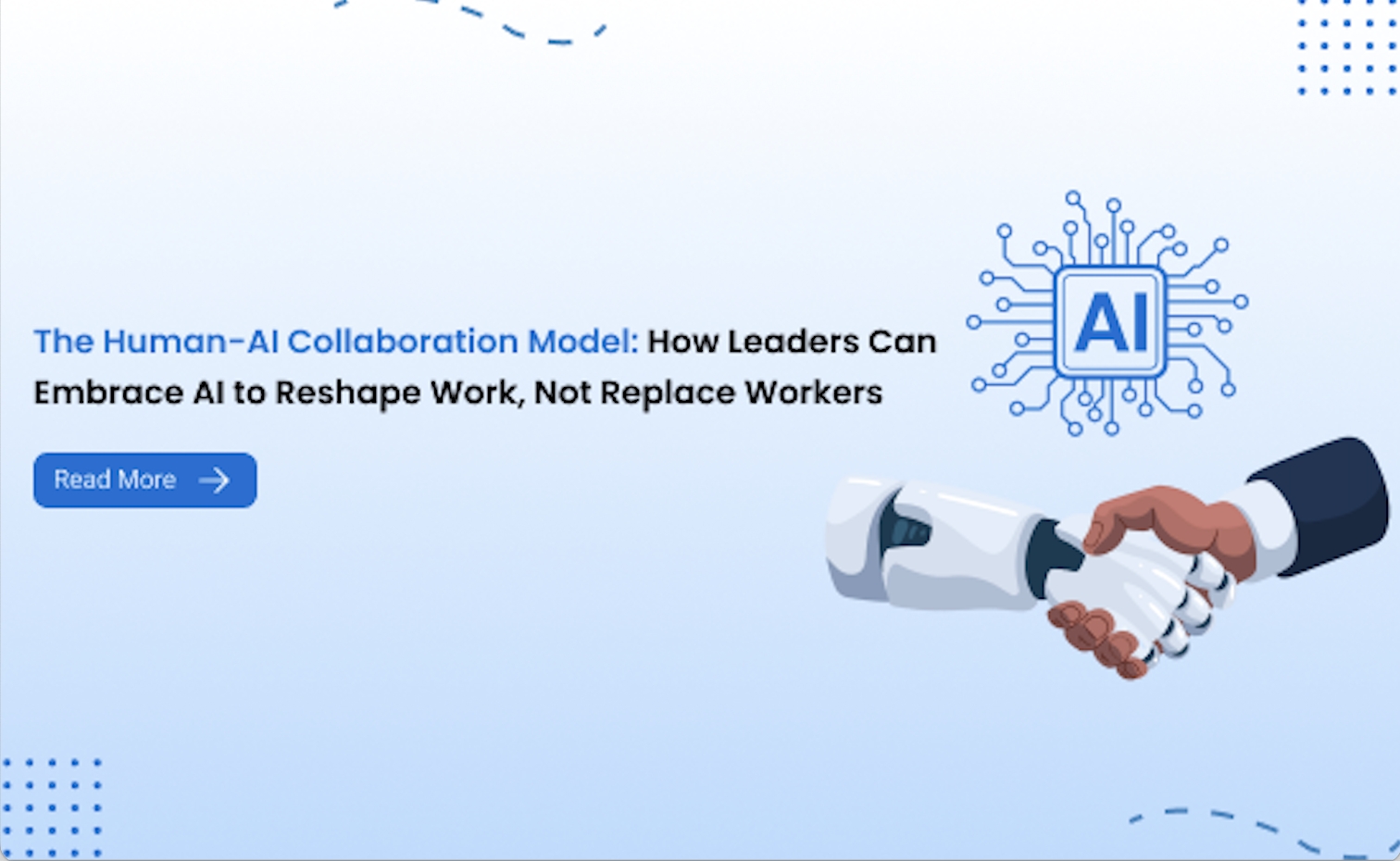
AI tools in this space can accelerate that process. Conversational AI can help survivors work through specific incidents and identify which dynamics were at play. Pattern analysis can surface recurring behaviors — the blame shifting, the silent treatment cycles, the way manipulators twist words — that the survivor noticed but dismissed at the time. Apps like NarcGuard are built specifically around this use case, offering structured tools for documenting relationship dynamics and analyzing behavioral patterns over time, with the goal of helping survivors understand what they experienced in concrete terms.
The Limits of What AI Can Do Here
None of this replaces professional support. A trauma-informed therapist can do things that no AI tool currently can, including help survivors process the emotional weight of what happened, work through the grief of leaving, and address the longer-term effects of trauma bonding on their ability to trust and form relationships. For anyone navigating narcissistic abuse recovery, therapy remains the most important resource.
What AI tools can do is fill the gaps between therapy sessions, provide a low-barrier starting point for people who are not yet ready to see a therapist, and give survivors a structured way to make sense of their experience on their own terms. They are also available at 3am when the thoughts do not stop, which is not nothing.
The more significant limitation is the risk of misuse. Someone in a highly activated emotional state may interpret neutral behavior as manipulative, or use a tool to build a case rather than to understand a situation. Any responsible application in this space needs to be explicit about these limitations and design around them.
What Recovery Actually Looks Like With These Tools
Survivors who use AI tools as part of their recovery tend to describe similar things. The process of documenting interactions, even without any analysis, creates a useful distance. Writing something down forces a slight shift in perspective. Having that documentation reflected back as pattern data can shift it further.
The goal, as most people working in this area understand it, is not to prove that the abuser was bad. It is to help the survivor rebuild confidence in their own perception. After a relationship defined by psychological manipulation signs, emotional coercion, and gaslighting, the question “can I trust what I remember and what I felt” is not abstract. It is a real obstacle to moving forward.
For some people, having an external system confirm that the patterns they noticed were real and consistent across time is a meaningful step. Not because the AI is an authority, but because it is a neutral record. The survivor logged it. The pattern is there. That act of external validation can matter more than it sounds, particularly for people whose experience of emotional abuse recovery involved being told repeatedly that they were the problem.
The use of AI in narcissistic abuse recovery is still early. The tools that exist are mostly first-generation, and the research base for what actually helps survivors heal is still developing. But the direction is clear enough. Survivors are finding these tools useful not because they want a diagnosis, but because they want help seeing clearly after a prolonged effort to make them see wrong.
How manipulators twist words and reframe events is not a new problem. But the ability to document it, analyze it, and surface it as a coherent pattern over time — that is something AI can genuinely contribute to. Whether the people building these tools take that responsibility seriously enough is still an open question.
References:
● Psychology Today — narcissistic abuse recovery and covert manipulation
● National Domestic Violence Hotline — emotional coercion and abusive relationship resources
● Wang, Y., et al. (2024). MentalManip: A dataset for fine-grained analysis of mental manipulation in conversations. ACL 2024.
● NarcGuard — narcguard.ai