
Most enterprise software vendors sell tools. A few sell platforms. Almost none sell architectures.
TMX Group sells an architecture.
The visible product is nine SaaS platforms. The actual product is the cognitive engine running underneath all of them.
What sits underneath
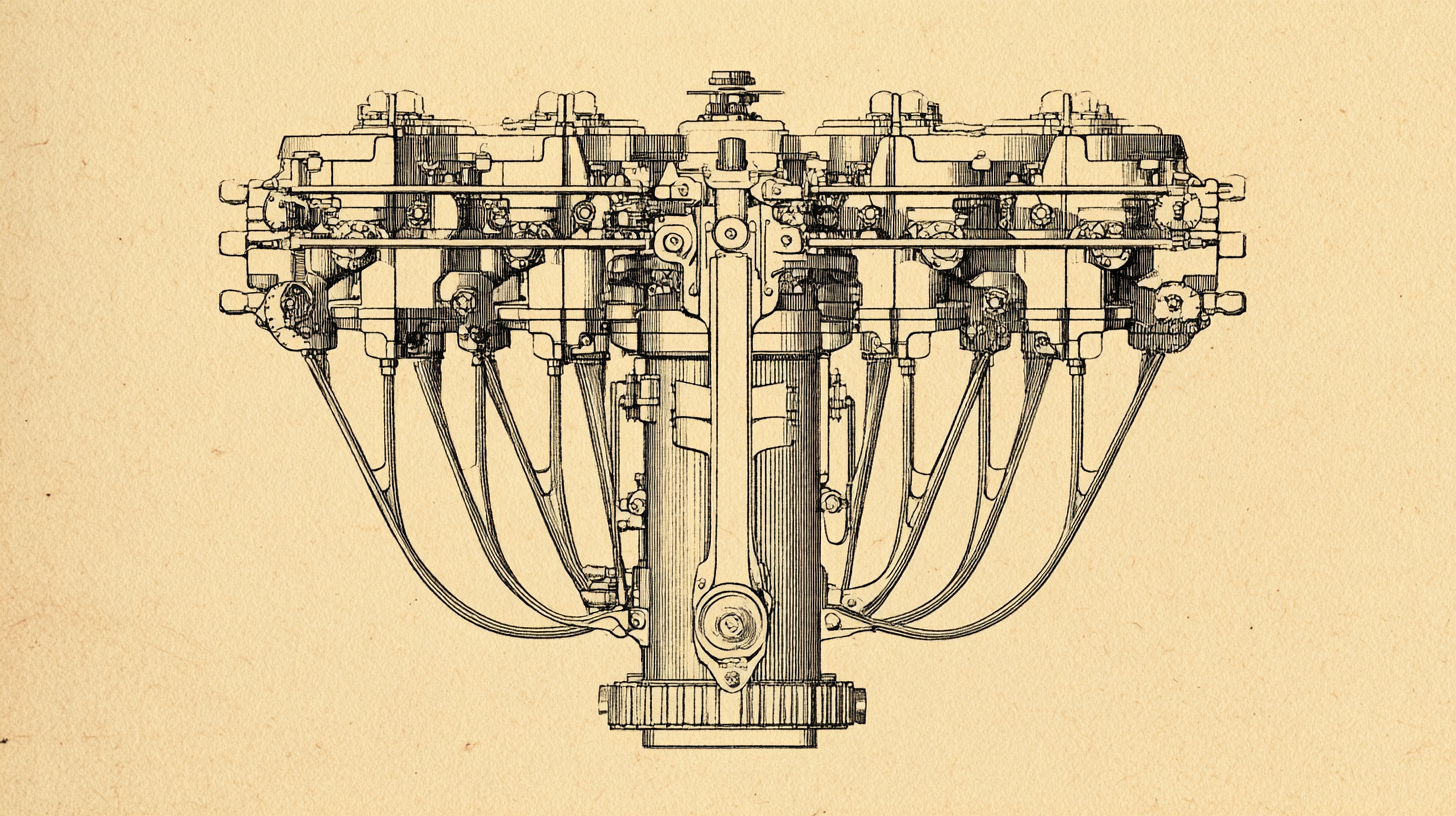
A single deterministic cognitive layer. One architecture. One Central Brain. One semantic coordinate system. One operator algebra.
Every platform inherits the layer. The platform is the surface. The layer is the substance.
Mothership inherits it for customer intelligence. Content Factory inherits it for content execution. WriteArm inherits it for writing intelligence. MatrixStrike inherits it for board-level strategy. ABM.exe inherits it for account intelligence. Meta Intelligence inherits it for market field intelligence. Decision Physics inherits it for decision modelling. Book Factory inherits it for long-form authorship. SKU Content Engine inherits it for product cognition.
Every platform is the same architecture in a different domain.
Why this is not an accident
The pattern is the entire point.
When intelligence is treated as a pre-compiled, structured artefact rather than a regenerated probabilistic output, it becomes portable across domains in a way that probabilistic systems cannot match.
A decision model that works for customer cognition works for market cognition. The coordinates are the same. The operators are the same. Only the input domain changes.
This is what allows nine platforms to ship from a single team. The platforms are not nine separate engineering efforts. They are nine deployments of one engine.
The economics of one engine
Single-engine architectures behave differently in the market than multi-tool ones.
Pricing power compounds. The ninth platform shipped on the engine costs a fraction of the first to engineer. Margin expands with portfolio breadth rather than contracting under support load.
Enterprise gross retention improves. A buyer running three platforms on the same engine is harder to displace than a buyer running three best-of-breed tools held together with integrations.
The land-and-expand motion accelerates. Once an enterprise installs the engine for one use case, every adjacent use case becomes a faster, cheaper, lower-friction follow-on sale.
Multi-tool incumbents cannot compete with this on margin or velocity. Their architecture will not let them.
What buyers get
A buyer adopting any one platform is adopting the entire architecture by extension.
The integration economics get easier with every platform added. The cognitive corpus accumulates across deployments. The brand brain built in one platform is reusable in every other. The cost curve compresses with scope.
This is the inverse of the typical SaaS expansion model, where adding tools means more vendors, more integrations, more cognitive overhead. Adding platforms in MatrixOS means deeper coherence.
The bottom line
Nine platforms. One engine. One architecture. One coherent operating system for human decision intelligence across every commercial surface a brand operates.
The platforms are the visible product. The engine is the moat.
Martin Lucas is founder and CEO of TheTMXGroup.com and inventor of SDCI™ — Synthetic Deterministic Cognitive Intelligence. He leads nine live SaaS platforms under the MatrixOS umbrella with eight patent families filed. His work sits at the intersection of symbolic computation, semantic architecture, and deterministic cognitive execution.