

Most fund software is sold as a destination: a portal, a dashboard, a system of record that everyone is supposed to log into. In impact investing, the more useful test is about the folder. When an auditor or a limited partner asks where a number came from, some period folder has to hold the answer, and it has to hold it for the outcome figures as well as the financial ones.
At many impact funds it does not. The general partner closes the books with the administrator. The deal team keeps occupancy, lending or soil metrics in a separate workbook. The two meet in a PDF, often a few days apart, and the scorecard pages cannot be traced back the way the NAV pages can.
A folder with two ledgers in it
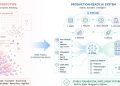
Moko, a fund administrator for impact vehicles including housing tax-credit funds, CDFIs and regenerative agriculture funds, built its Dual Ledger around that folder. NAV, capital accounts, call notices, distributions and a verified scorecard share one cutoff, one reviewer and one send to investors. The firm describes it as the close file rather than another tool.
The workflow has five stages. Intake sets ownership: which scorecard lines the fund owes, and which source file feeds each line. The close file stage pulls the trial balance, investment roll-forward, capital activity and scorecard sources into one period folder. Verification matches every scorecard line to its named source. Sign-off follows roles that already exist: the general partner signs notices, Moko signs its administrative checklist, counsel signs filings, the auditor signs the opinion. Then one pack goes out.
The rule doing the work is short. If a scorecard line cannot be tied to a named source file in that close, it stays off the pack. Estimates are not stamped and sent anyway.
Two audiences, one set of books
The name refers to a split inside that folder. Investors see the published NAV, their capital account, the call and distribution registers, and the scorecard lines that tied, with an index of source files. The general partner also sees the exceptions: unreconciled cash, mismatched capital accounts, scorecard lines that failed verification. Working papers stay with the period, so an auditor can trace a statement to its support without routing questions through investor relations.
Before a NAV runs, Moko wants five items in hand: the trial balance, an investment roll-forward reconciled to the prior close, capital activity through cutoff, a partner roster checked against subscription documents, and dated fair-value marks. Calls are sized from remaining unfunded commitments and the approved investment schedule. Optional alerts by portal, email or text cover four events only: call due, call collected, distribution sent, pack available.
Pricing and the edges of the job
The firm reports 98% of reports delivered on time across more than 70 vehicles. Pricing is quarterly. First Close, at $4,800, covers a single vehicle with quarterly NAV, capital accounts, one combined pack, call and distribution notices, and a scorecard built from supplied metrics. Institutional, at $9,600, adds monthly NAV flashes, custom layouts, a compliance calendar and scorecard lines tied to source documents each close. Platform, at $16,000, covers up to three vehicles with a shared close calendar, investor-level packs, a firm roll-up and a named administrator. A scope call and an initial review cost nothing; billing starts after a signed engagement.
What Moko does not do is listed as carefully as what it does. It does not originate impact data, custody assets, wire capital, give legal or tax advice, certify CDFIs, or promise returns or outcomes. The general partner keeps the seat.
For a fund that already closes its books every quarter, the change is mostly about where the scorecard lives. It moves out of the deal team’s workbook and into the folder the auditor opens first.