

As AI becomes embedded across every function of modern business, a quiet shift is taking place. The most valuable organizations are no longer asking how much they can automate. They’re asking something more important: where human judgment still matters most.
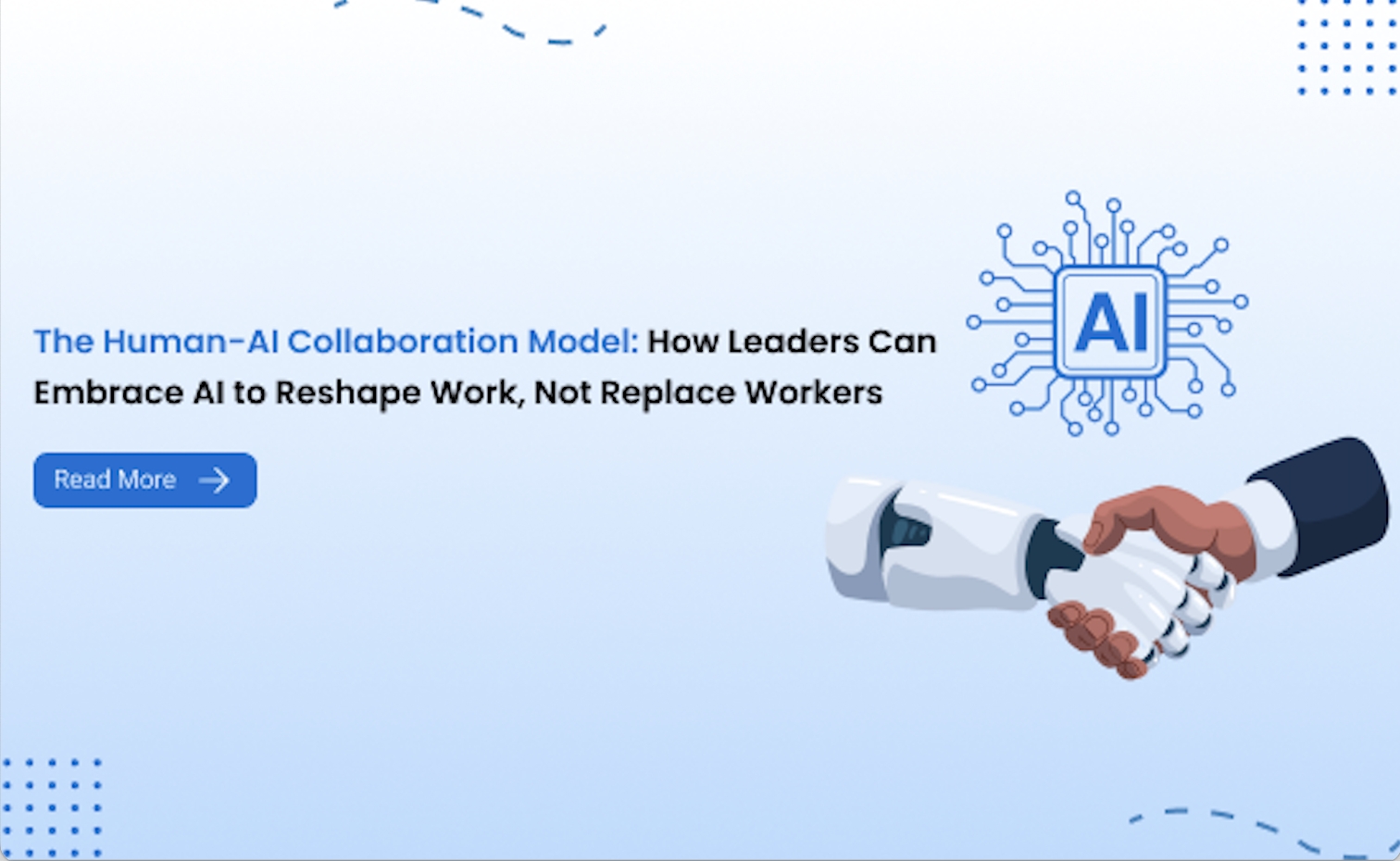
For a time, full automation was treated as the end goal. Faster. Cheaper. More efficient. But in practice, many businesses have learned (many times, to their detriment) that removing humans entirely from decision-making introduces new risks, operational, reputational and strategic. The future isn’t fully automated. It’s blended: a deliberate integration of human judgment and AI capability.
Why Automation Alone Falls Short
Fully automated models tend to work best in predictable, low-risk environments. But most high-value businesses don’t operate there. They exist in conditions shaped by regulation, trust, emotion and ambiguity, places where nuance matters and mistakes carry real consequences.
We’ve all seen what happens when automation fails without human oversight: customer frustration escalates, exceptions go unresolved, and accountability becomes unclear. In regulated or trust-sensitive sectors, those failures aren’t just inconvenient they can damage brand equity and invite scrutiny from regulators and investors alike.
The lesson is simple: efficiency without judgment is fragile.
Blended Models as Risk Management
Blended human–AI operating models are emerging not just as an operational choice, but as a form of risk management.
In blended models, AI handles scale, speed and pattern recognition. Humans retain decision authority where context, empathy and discretion are required. The result is resilience. When systems fail or situations fall outside expected parameters, people step in not as a workaround, but by design.
We see this clearly in service-led environments like ours at Moneypenny, where AI is used to manage scale and routine interactions, while people retain decision authority when conversations become complex, sensitive or fall outside expected patterns. That balance allows it to be bespoke as all our client needs are different and this creates efficiency without sacrificing judgment, and ensures accountability remains clear when it matters most.
From an investor’s perspective, this matters. Blended models reduce single-point-of-failure risk. They demonstrate maturity of governance. And they signal that leadership understands where automation adds value, and where it doesn’t.
Trust Is Becoming a Valuation Factor
Increasingly, businesses are looking beyond what AI can do and asking how it’s governed.
Is there transparency in how decisions are made? Are escalation paths clear? Do customers and employees know when they’re interacting with a system versus a person? And critically, who is accountable when something goes wrong?
These questions are becoming central to due diligence. A sophisticated AI stack without human oversight may look impressive on paper, but it can weaken long-term value if trust erodes. Trust is proven in moments of friction and blended models, tend to strengthen trust because they make accountability visible.
Trust, in this sense, is no longer abstract. It shows up in retention rates, customer advocacy, employee engagement and ultimately, valuation.
The Leadership Shift This Requires
Blended operating models demand a different leadership mindset. Leaders need to move away from measuring success purely by efficiency metrics and instead focus on outcomes: decision quality, resilience under pressure and sustained customer confidence.
This also changes what leadership looks like day by day. The role becomes less about directing every action and more about designing the conditions for good judgment. Clear guardrails. Simple escalation. Empowered teams. Leaders act less as controllers and more as “unblockers,” ensuring people and systems can work together effectively.
The Bottom Line
The businesses most likely to thrive in the next decade are not likely to be those that automate the fastest, but those that integrate AI most thoughtfully. Blended human–AI models recognize a simple truth: intelligence isn’t just code. It’s contextual.
When AI is used to enhance human judgment rather than replace it, organizations gain more than efficiency. They gain resilience, trust and sustainable value and a cost cutting mindset becomes a growth mindset.
The future will be shaped not just by humans or AI alone, but by how effectively they work together and by leaders who understand that difference.