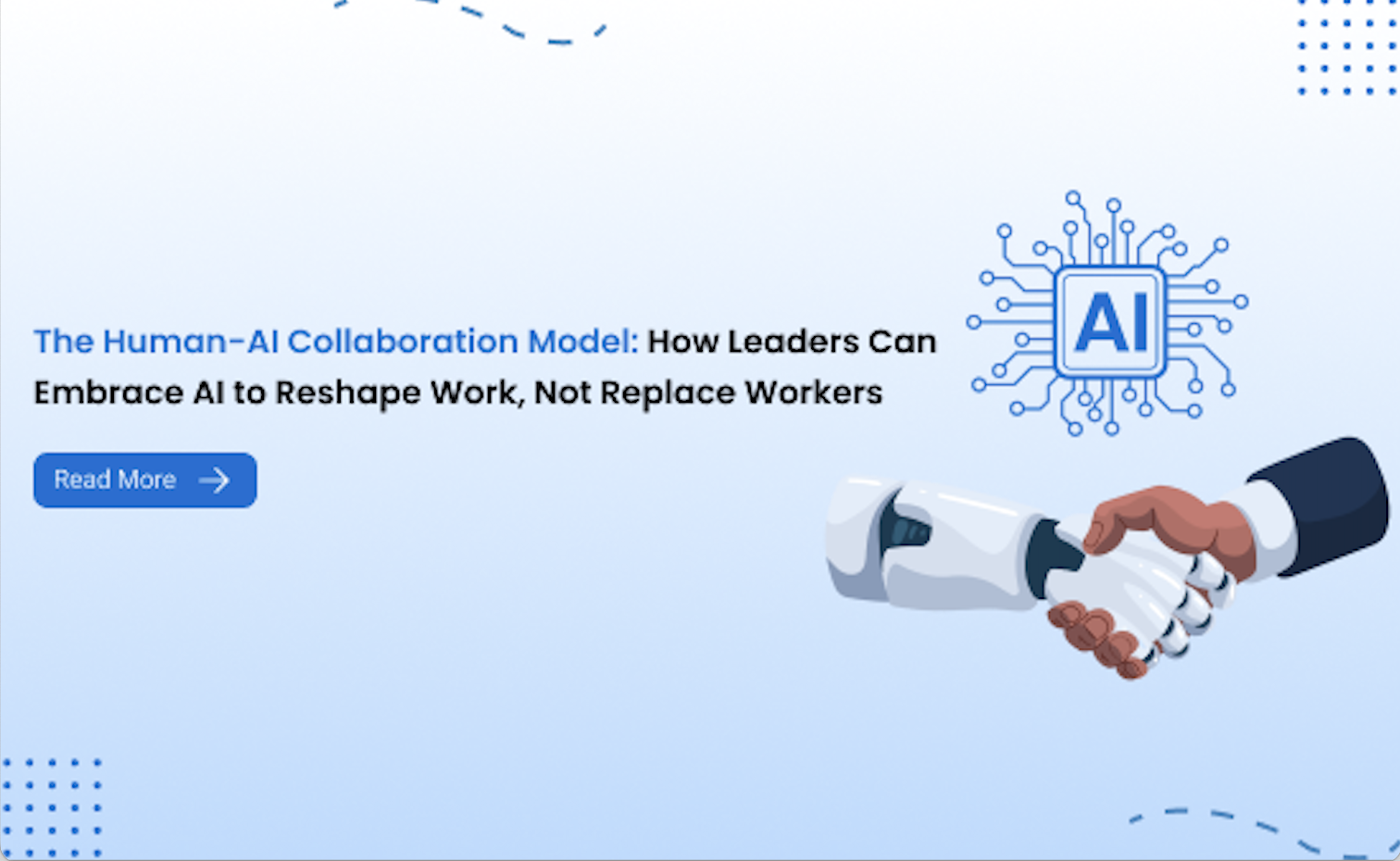


An established venture-backed startup saw anemic annualized growth of 15% last quarter. While company executives worried aloud about lower user adoption contributing to missed targets, the company’s Head of Engineering stayed silent, fearing product functionality was to blame. Two quarters prior, he terminated 40% of the engineering team in a company-wide efficiency push. Since then, the engineering “survivors” have frantically adopted new tools, learned to vibe-code, and dramatically altered the way they think about their work. Polling that team suggests many are stimulated by the challenge and learning, enthusiastic about new efficiencies, but simultaneously grieving the “good old days”; understanding the craft and science of programming already feels like ancient history. What are they really grieving?
Conventional wisdom suggests that teams struggle with change. Indeed, evidence of “performative participation” indicates many engineers are either reluctantly adopting AI or faking its adoption. Fear it or not, 78% of CHROs say roles must change to keep pace in a landscape requiring something new.
This reluctance to adopt a new technology is not new: many bank tellers, factory workers, and textile traders bucked the use of ATM machines, assembly lines, and automated looms when those technologies were first introduced. Time and again, people on the front lines of change are forced into early adopter roles. Nevertheless, while first-movers are confronted with a difficult runway, they may also, ironically, have the most to gain. So, what creates the reticence to adopting something new? A deeper look into the realities of confronting the changing landscape hints at the fact that the change itself is likely not the problem.
The Three Losses
Looking under the hood of employee performance, we discover that the culprits restricting AI adoption are the material, psychological, and certainty losses associated with the change. In the current landscape, headcount reduction and reduced hiring velocity create rational fears about management decisions and job stability. Even when workforce reductions produce little to no improvement to ROI, 80% of organizations piloting autonomous businesses report decreased headcount[2]. In these cases, the threat of material losses can stifle creativity and productivity. While often visceral, loss of security alone does not explain resistance to change.
A Silicon Valley-based Cloudflare executive shared it this way, “Imagine spending most of your college and adult life honing deep competence in a skill the world repeatedly confirmed valuable. Along comes AI and in six months, your skillset is now repriced at half the value.” What was once a clear and technical way of working with a linear path to success is completely changed. The speed and depth of AI impact is extending to previously untouchable foundations of our emotional, cognitive, and identity-creation systems. Transformational innovation forces workers and managers to ask, “Who am I? How should I work? What do I need to do?” Confronting these existential questions inevitably shapes workplace performance and skill adoption. The psychological losses underpinning transformational change slow down learning loops, thus contributing to a culture of resistance or “performative participation.”
In the absence of certainty about the future of work, decision velocity slows. Predictability stabilizes mental activity; without it, anticipating outcomes is more difficult. Decision-making becomes more ambiguous: Which actions are safe? What is expected of me? How can I be effective? Uncertainty about the system itself creates fear and weakens one’s sense of control; loss of certainty breeds resistance to activating the system in ways that build and perpetuate change. In contrast, innovation flourishes when psychological safety abounds.
Effectively navigating AI-driven disruption and associated innovation is therefore not a function of better technical training. Success instead requires addressing the grief associated with the losses inherent to change. Leadership practitioners must help their teams establish new foundations of competence (What am I good at?), identity (Who am I, if I’m no longer a programmer?) and predictability (What does work look like going forward?). According to Gartner, AI requires greater change management initiatives than any prior technology[3]. Change management must now include fine-tuning to the losses associated with change, thereby building what we call Adaptive Capacity. Though managers face deep emotional resistance to these transformational changes, we are all called upon to build new Adaptive Capacity to learn, adjust, and act in the face of change.
What Leadership Practitioners Do Instead
Not all is lost: 27% of executives claim they have built a comprehensive AI strategy, and 20% believe their workforce is AI-ready[4].. While clear strategy and a workforce that feels ready aren’t comprehensive predictors of effective navigation, managers and executives are working to build Adaptive Capacity in order to effectively navigate the disruption. The impact can be seen across sectors. One of our clients, a superintendent in a large public school district, has been nominated for National Superintendent of the Year because of his forward-leaning approach to embrace the learning required to navigate AI’s impact to public education.
When we distill the leadership behaviors deployed by these proactive change agents, a pattern of practices emerges:
- Name the elephants in the room. These leadership practitioners clearly acknowledge the losses out loud. They understand that naming a loss does not make it worse – t ignoring it does. Losses are not avoided or swept under the rug.
- Separate real, current, or material loss (loss of job, competence or stability) from feared future loss (what might happen next quarter). They sort these losses honestly and publicly, while refocusing collective effort on what is controllable – and learnable – now. By cutting through the emotional weight of forward-leaning fear, they channel effort effectively in the present.
- Orient toward building a culture where learning is not just ideal but expected and required. Rather than a shock to the system, AI becomes the next learning horizon. The people around them are building the capacity to move quickly through the disruption.
- Give the work back. They don’t attempt to fix others’ problems or onboard collective grieving, but they do encourage, walk alongside, and direct, where possible, the experimentation needed to learn in new ways.
- Demonstrate their own curiosity. They know they don’t have all the answers and they role model collective discovery and tolerate degrees of failure. The recognize that failure is the price of learning.
Importantly, these executive leadership practitioners are learning and experimenting alongside their teams, thus instilling a culture of adaptation. Taken together, these leadership behaviors transform both the lived experiences of employees and directly impact an organization’s culture, helping it become more agile, innovative, and responsive.
As the global AI transformation unfolds, the organizations with the most cutting-edge models, will not be the ones leading the pack. Instead, the most successful organizations will have built teams equipped with both the leadership capacity to tolerate the heat and pressure of operating without a playbook, and the leadership resilience to navigate the losses associated with this complex change. As an OpenAI executive shared with us, “Leadership capacity is the differentiator. With it, our ability to respond to the unknown positions us to adapt and endure.”