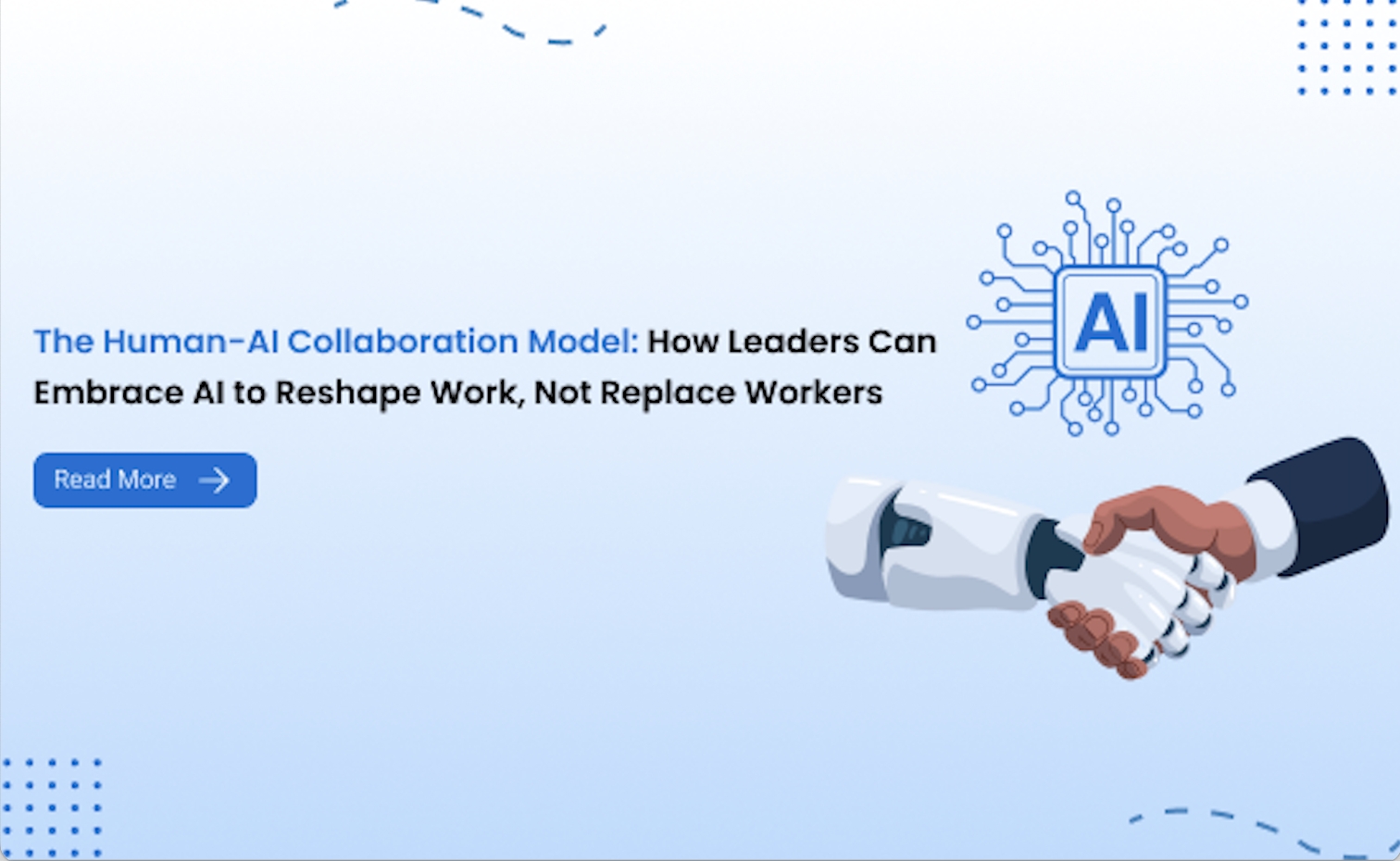


The next wave of competitive advantage will not be determined by which organisations deploy the most AI tools. It will come from who have the most capable people using AI confidently and safely every day to drive better decisions and better outcomes.
In many organisations, AI still sits on the sidelines: a collection of pilots, proofs of concept, and isolated apps that feel disconnected from how people actually work. Employees hear the buzz, see new tools appear in their workflows, and are left wondering what it really means for their role, their development, and their future.
That uncertainty is not inevitable. When leaders are clear about why they are using AI and how it will support people rather than sideline them, the conversation changes. AI becomes less about replacing tasks and more about removing friction, surfacing insight, and opening up fairer opportunities for growth.
To get there, AI needs to be treated as one part of an optimised business system, not a silver bullet. Humans bring context, judgment, and creativity. AI brings speed, pattern recognition, and automation. The organisations that will pull ahead are those that deliberately design their culture, skills, and talent practices so these strengths reinforce each other rather than compete.
The Future Rewards Those That ‘Think’ First
Leaders today face countless challenges, but there are few more urgent and consequential than the imperative to drive visible business transformation. This comes at a time when AI is redefining roles and reshaping economic models, all while upholding the trust and accuracy that are essential to an organisation’s foundation. It is a shopping list of business needs that many aren’t yet equipped to deliver at pace.
In an AI-first environment, it is easy for businesses to feel the need to take decisive action, chasing the theoretical gains and efficiencies that AI promises. While it’s important for leaders to consider the potential benefits of new technology, it isn’t necessary to boil the ocean first. Senior management should first take a step back and analyse current operations, the business landscape, and clarify their overarching objective before implementing AI. By examining the technology that currently exists, and identifying barriers, organisations can avoid the pitfall of adopting AI without a clear understanding of the desired business outcomes.
A solid understanding on the rationale behind implementation will enable businesses to establish a firm foundation that anchors and aligns AI integration with business needs, not just wants. The impact AI can deliver for businesses hinges on leaders taking this approach.
The Cultural Shift: Prioritising Learning Over Output
For AI to truly drive a competitive advantage, organisations must look beyond the technology itself and focus on the culture that surrounds it. The most successful businesses are those that foster a culture of learning — one where curiosity, experimentation, and upskilling are valued above mere output. In this environment, employees are empowered to see AI not as a threat, but as a tool for growth and innovation.
Building trust in AI starts with building digital competencies across the workforce. When employees are given the opportunity to develop new skills and understand how AI can augment their roles, they are more likely to embrace change and contribute to the organisation’s transformation journey. HR leaders play a pivotal role here, guiding teams through the ethical considerations of AI adoption and ensuring that technology is introduced with purpose and transparency.
Rather than rushing to deploy AI at scale, businesses should take a measured approach — piloting new tools, gathering feedback, and iterating based on real-world outcomes. This not only builds trust but also allows organisations to see the tangible benefits of AI, from improved decision-making to more personalised employee experiences. Ultimately, the ROI for any new hire or existing employee is maximised when progress is measured not just by productivity, but by confidence and capability in integrating AI into daily work. In this sense, technology should always work for your people, not the other way around.
Identifying, Growing and Retaining the Best Talent
At a time when the digital skills gap is widening and the talent landscape is being reshaped, the ability to identify and nurture talent is increasingly important. In this context, AI is a powerful enabler opening up fair, equitable opportunities for growth. Yes, its true value in HR extends beyond recruitment. Attracting the right talent is one thing but retaining, growing, reskilling, upskilling and promoting from within is where the real impact lies.
If businesses can adopt a skills based strategy, underlined by AI, they can move past traditional hiring metrics and critically impact each employee. Leveraging internal data allows teams to amplify their workforce by spotting emerging leaders, supporting new career pathways and enabling access to the learning resources they need to succeed through AI-powered platforms.
HR plays a significant role in championing this shift, democratising access to skills, supporting a culture of learning and cultivating an environment where every employee feels empowered to grow alongside technology.
The future belongs to the organisations that recognise AI as a partner, not a replacement for people. By prioritising learning, building trust, and investing in talent, businesses can ensure that their AI strategy is not just technologically advanced, but truly human-first. Organisations that embrace these pathways today will be best positioned to develop the skills – and the workforce – needed for tomorrow.
Confidential – Not for Public Consumption or Distribution